


What Are Mother Tinctures? Everything You Need to Know

Introduction
Mother tincture is a liquid form of dosage in Homoeopathy prepared from extraction of suitable sources mainly plant substances. These extracts are derived from a wide range of natural sources, including plants and animal substances that are prepared in accordance with Homoeopathic pharmacopoeia standards through a meticulous process involving percolation & maceration in solvents like alcohol or water. This process ensures that the medicinal properties of the raw materials are extracted and preserved in the tincture.
Mother tinctures serve as the initial form of a remedy from which further dilutions and preparations are made. They are integral to homoeopathic practice, believed to interact with the body’s vital force to promote healing and restore balance. Understanding mother tinctures provides insight into the fundamental principles of homoeopathy and their application in therapeutic practices.
What are Mother Tinctures in Homeopathy?
In homoeopathy, mother tinctures are primary extracts derived from plants & animals. They are prepared by percolation & maceration of the raw materials in a solvent, typically alcohol or water, to extract their active components. This process creates a tincture that retains the medicinal properties of the original substance.
Mother tinctures are the starting point for creating various homeopathic remedies. They can be used directly or further diluted and succussed (shaken vigorously) to create different potencies. Homoeopaths believe that these tinctures, through the process of dilution and succussion, can help stimulate the body’s vital force to restore balance and health.
Here is the process of preparation of mother tinctures in homeopathy:
-
Selection of Raw Material: Mother tinctures can be made from a wide variety of natural sources. For plant tinctures, specific parts of the plant (such as leaves, roots, or flowers) are used. For animal substances, they might be extracted from secretions or other biological materials as specified in HPI(Homoeopathic pharmacopoeia of India)
-
Maceration: The raw material is macerated (crushed & soaked) in a solvent, usually strong alcohol (such as ethanol) or alcohol & water. The solvent used in this process is used as described in the monograph of Homoeopathic Pharmacopoeia. Alcohol is commonly used because it extracts a wide range of constituents and acts as a preservative.
-
Percolation: The mixture is allowed to stand for a period (usually several days to weeks), during this time the solvent extracts the active components from the raw material. This process is also known as extraction or tincturing.
-
Filtration: After the extraction period, the mixture is filtered to remove the undissolved solid parts, leaving behind a liquid that contains the concentrated essence of the raw material. This liquid is the mother tincture.
How to use Mother Tinctures and its role and benefits in Homeopathy?
In order to use Mother Tinctures, you need to understand a few different steps in order to understand its nature and role in homoeopathy:
Mother tinctures are extracts derived from plants, and animals. They are often used as the starting material for creating various homoeopathic remedies. This is the reason why in homoeopathy, mother tinctures are rarely used directly. Instead, they are typically diluted and potentized to create remedies suited to specific conditions
Dilution: A small (prescribed) amount of the mother tincture is mixed with a diluent, usually dispensing alcohol or water. The process involves serial dilutions, where a required portion of the previous solution is mixed with a new batch of diluent in a prescribed amount.
Succussion: After each dilution step, the solution is vigorously shaken or struck against a surface. This process, known as succussion, is believed to enhance the remedy’s effectiveness by imprinting the “therapeutic” properties of the tincture into the solution.
1. Dosage:
The dosage of mother tinctures can vary based on the herb and the condition being treated. It’s important to follow specific guidelines or consult a healthcare provider. Typically, they are taken in small doses, and it's recommended to dilute them in water.
-
General Guidance: A typical dose for adults is around 10-20 drops, 2-3 times a day, diluted in a glass of water. Or as directed by the physician.
-
For Children: The dose should be much lower, and it’s advisable to consult a professional before giving tinctures to children.
2. Method of Use:
-
Oral Administration: Add the recommended number of drops of mother tincture to a small glass of water. Drink it directly, or you can dilute it in water or you can take it as prescribed by the physician.
-
Topical Use: Some mother tinctures, like Calendula or Hypericum Perforatum (St. John's Wort), can be applied topically. Dilute it with water or a carrier oil before applying to the skin to avoid irritation, or as prescribed by the physician.
-
External Bathing: For some tinctures, a few drops can be added to a warm bath for their therapeutic effects.
3. Precautions:
-
Interactions: Tinctures can interact with medications, so if you're on prescription drugs, it’s best to consult a doctor before use.
-
Quality: Ensure you are using the best quality mother tinctures to ensure better efficacy.
4. Storage:
-
Store mother tinctures in a cool, dark place (away from direct sunlight), as light and heat can degrade the active ingredients.
-
Keep the bottle tightly sealed to preserve the quality of the tincture.
It is crucial to consult with a qualified homoeopathic practitioner before using mother tinctures, particularly if you are unfamiliar with homoeopathy. Practitioners use a detailed consultation process to select the appropriate tincture and potency based on an individual’s symptoms, overall health, and body’s characteristics.
Here are the benefits of Mother Tinctures in Homoeopathic Remedies:
Mother tinctures play an essential role in homoeopathic remedies and herbal medicine due to their concentrated nature, which allows for the effective extraction of medicinal properties from plants.
In homoeopathy, tinctures are often used as the base to prepare further dilutions, but they also offer several benefits when used for various conditions. Here are the key benefits of mother tinctures in homeopathic remedies:
1. Holistic Healing Approach
-
Mother tinctures are made from natural sources mainly plant sources and are believed to work in harmony with the body’s systems. Homoeopathy focuses on treating the root cause of symptoms rather than just alleviating symptoms, and mother tinctures support this holistic approach.
-
They are used to treat physical, mental, and emotional imbalances, often addressing the body as a whole.
-
They are less likely to cause side effects or dependency, which can be a concern with certain prescription medications.
2. Versatility and Broad Range of Uses
-
Mother tinctures are used to address a wide variety of health concerns.
-
Common uses include:
-
Digestive issues (e.g., nausea, bloating, indigestion)
-
Skin conditions (e.g., eczema, acne, wounds)
-
Stress and anxiety (e.g., calming effects on the nervous system)
-
Respiratory issues (e.g., cough, colds, asthma)
-
Musculoskeletal complaints (e.g., joint pain, inflammation)
-
Hormonal imbalances (e.g., menstrual problems, menopause). The use of mother tinctures can be varied.
3. Support for Emotional and Mental Well-being
-
Many mother tinctures have an impact on the emotional and mental states of individuals.
-
Homoeopathy often focuses on treating the emotional symptoms associated with conditions, such as anxiety, depression, stress, and mood swings.
-
Some mother tinctures are believed to have immune-boosting properties and can support the body in fighting off infections and improving overall immune response.
Sources of Mother Tinctures in Homeopathy
Mother tinctures in homeopathy are prepared from various natural sources. These sources are carefully selected according to standards described in official homeopathic pharmacopoeias. The goal of using natural materials is to capture the medicinal properties present in the original substance.
Homeopathic mother tinctures are commonly derived from three primary categories.
1. Plant Sources
Plants are the most common source of mother tinctures in homeopathy. Different parts of the plant may be used depending on where the medicinal constituents are most concentrated.
Examples of plant parts used include:
-
Leaves
-
Roots
-
Flowers
-
Bark
-
Seeds
-
Whole plants
Each plant has its own therapeutic profile based on its natural chemical composition. During preparation, the selected plant material is carefully processed to ensure the active constituents are extracted effectively.
2. Mineral Sources
Certain homeopathic preparations are derived from mineral substances. These substances are first purified and then processed according to homeopathic pharmaceutical guidelines before being converted into tinctures or further preparations.
Mineral-based remedies are traditionally used in homeopathy for a variety of conditions and are valued for their stability and consistent composition.
3. Animal Sources
In some cases, substances derived from animal origin may also be used in homeopathic preparations. These may include biological materials or secretions that are processed carefully according to established pharmacopoeial standards.
The preparation process ensures that the material is transformed into a stable and usable form suitable for further dilution and potentization.
Quality Standards in Mother Tincture Preparation
The preparation of mother tinctures follows strict guidelines described in official homeopathic pharmacopoeias, such as the Homoeopathic Pharmacopoeia of India (HPI). These standards ensure that the remedies maintain consistent quality and safety.
1. Selection of Raw Materials
Only authentic & genuine raw materials are used in making mother tinctures. In the case of plant-based tinctures, botanical identification is essential to ensure that the correct species and plant parts are used.
Harvesting may also be done during specific growth stages to ensure optimal medicinal value.
2. Controlled Extraction Process
The extraction process typically involves maceration or percolation in a suitable solvent such as alcohol or a mixture of alcohol and water. These solvents help dissolve the medicinal constituents present in the raw material.
The extraction period is carefully controlled so that the desired components are fully extracted in to solvent preparation.
3. Filtration and Preservation
After the extraction process is complete, the solution is filtered to remove plant residue or other solid materials. The resulting liquid is the mother tincture containing the extracted medicinal constituents.
Alcohol used during preparation also helps preserve the tincture, allowing it to remain stable for extended periods when stored properly.
Importance of Standardization in Homeopathy
Standardization plays an important role in maintaining the quality and reliability of homeopathic remedies. By following established pharmacopoeial procedures, manufacturers can ensure that each mother tincture maintains consistent composition and purity.
Proper standardization provides several important benefits:
-
Ensures consistency across batches
-
Maintains safety and quality standards
-
Preserves the medicinal characteristics of the raw material
-
Supports reliable preparation of further homeopathic dilutions
For practitioners and patients, standardized preparations help ensure that the remedies being used meet recognized pharmaceutical guidelines.
Role of Mother Tinctures in Homeopathic Formulations
Mother tinctures serve as the foundational preparation for many homeopathic medicines. They represent the starting point from which further dilutions and potencies are prepared.
Because they contain the concentrated extract of the original substance, they are considered the base material for producing various homeopathic remedies.
1. Preparation of Potencies
In homeopathy, remedies are often prepared through a process of serial dilution and succussion. This process begins with the mother tincture and gradually creates different potency levels.
Each stage of dilution follows a defined method that allows practitioners to prepare remedies suited for different therapeutic contexts.
2. Use in Combination Formulations
Mother tinctures may also be used in the preparation of specialized homeopathic formulations. Some products combine multiple tinctures that are traditionally associated with supporting specific systems of the body.
These formulations are designed to align with homeopathic principles while offering convenient preparations for practical use.
Growing Interest in Natural and Traditional Remedies
In recent years, there has been increasing interest in natural health approaches and traditional medical systems.
Homeopathy continues to be widely practiced in many parts of the world, particularly in countries where complementary medicine plays an important role in healthcare.
Mother tinctures represent one of the foundational elements of homeopathic pharmacy.
Their preparation from natural sources and their role in developing homeopathic remedies make them an important component of this system of medicine.
Understanding how mother tinctures are prepared and used provides valuable insight into the broader philosophy and practice of homeopathy.
Best Mother Tinctures in Homeopathy
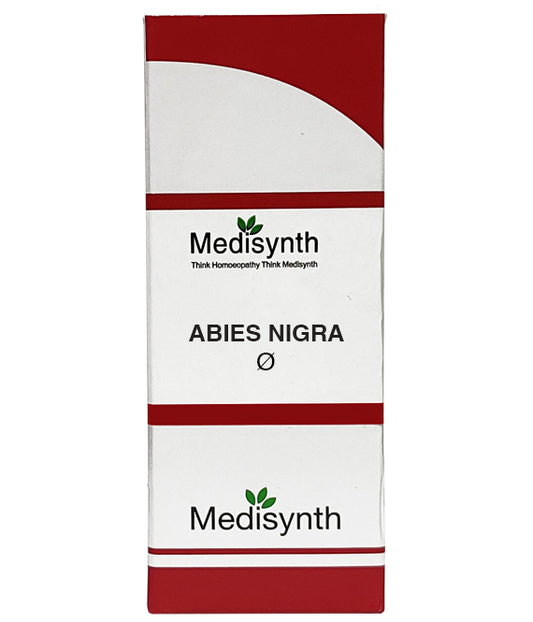
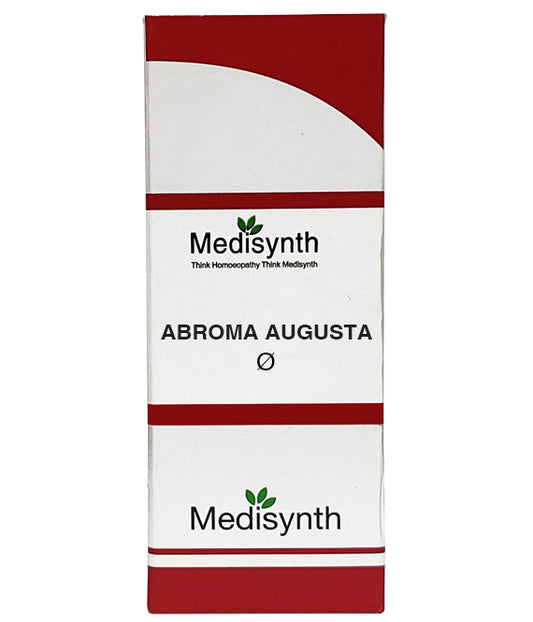
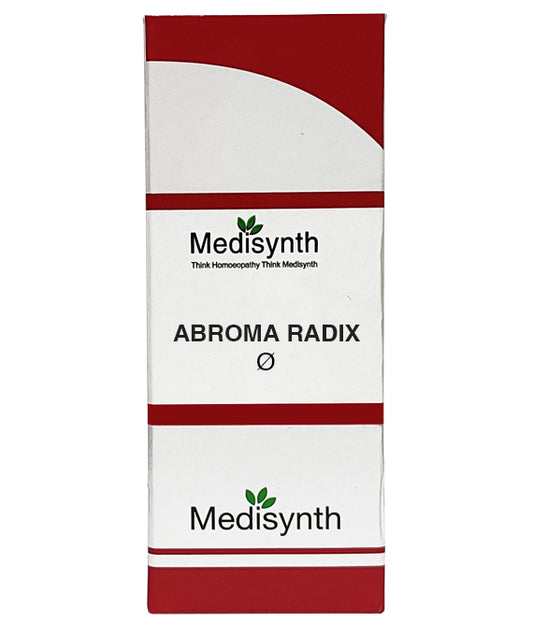
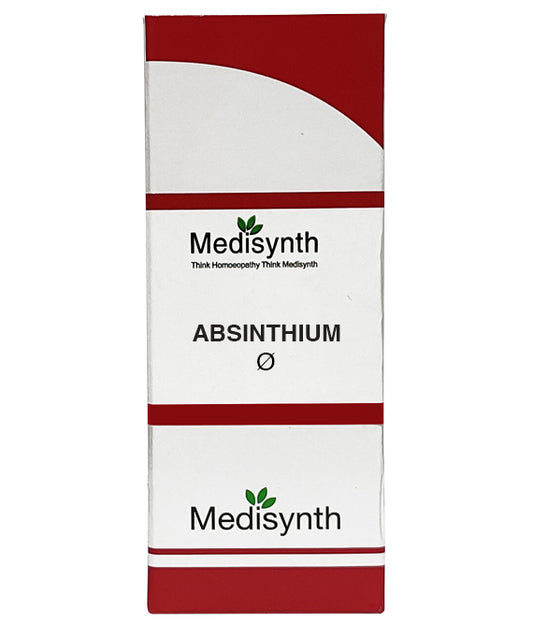
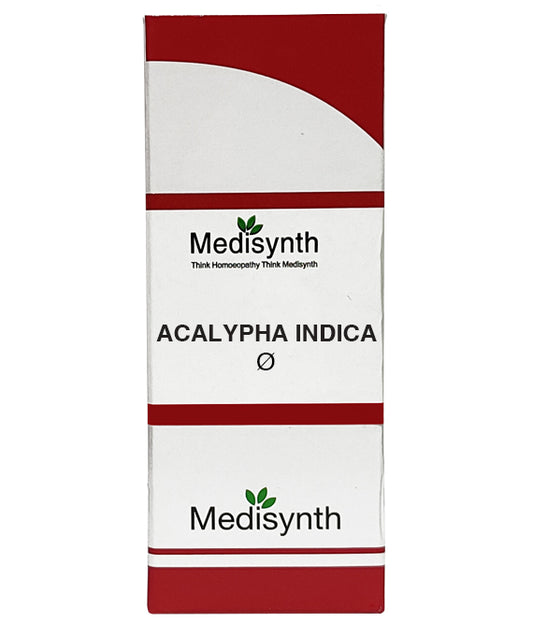
Medisynth Mother Tinctures
As we have mentioned above, there are various benefits of using mother tinctures which are the purest form of homoeopathic extracts that can be found and they are generally not consumed directly and they need to be diluted.
We have found out the best mother tinctures in homeopathy from the house of Medisynth who have a collection of mother tinctures that can be taken according to an individual’s symptoms and health conditions.
Conclusion
As we have already mentioned earlier, mother tinctures in homoeopathy are extracts derived straight from plants & animals, so they are not taken directly in most cases, and their dosage needs to be administered as well, which is why we highly recommend you consult a qualified homoeopathic practitioner before using the mother tinctures.
If taken properly, mother tinctures in homeopathy are extremely beneficial and show really good effects because they are essentially natural substances in their original form.
References:
Featured Collection
- MRP: ₹ 280.00 (Incl. of all taxes)
-
₹ - MRP: ₹ 280.00 (Incl. of all taxes)
- Unit price
- per
- MRP: ₹ 280.00 (Incl. of all taxes)
-
₹ - MRP: ₹ 280.00 (Incl. of all taxes)
- Unit price
- per
- MRP: ₹ 110.00 (Incl. of all taxes)
-
₹ - MRP: ₹ 110.00 (Incl. of all taxes)
- Unit price
- per
- MRP: ₹ 110.00 (Incl. of all taxes)
-
₹ - MRP: ₹ 110.00 (Incl. of all taxes)
- Unit price
- per
- MRP: ₹ 110.00 (Incl. of all taxes)
-
₹ - MRP: ₹ 110.00 (Incl. of all taxes)
- Unit price
- per
- MRP: ₹ 110.00 (Incl. of all taxes)
-
₹ - MRP: ₹ 110.00 (Incl. of all taxes)
- Unit price
- per
- MRP: ₹ 105.00 (Incl. of all taxes)
-
₹ - MRP: ₹ 105.00 (Incl. of all taxes)
- Unit price
- per
- MRP: ₹ 105.00 (Incl. of all taxes)
-
₹ - MRP: ₹ 105.00 (Incl. of all taxes)
- Unit price
- per
- MRP: ₹ 110.00 (Incl. of all taxes)
-
₹ - MRP: ₹ 110.00 (Incl. of all taxes)
- Unit price
- per
- MRP: ₹ 110.00 (Incl. of all taxes)
-
₹ - MRP: ₹ 110.00 (Incl. of all taxes)
- Unit price
- per