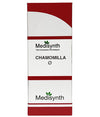
Benefits of Chamomilla in Homeopathy: Uses and Traditional Applications

Chamomilla is one of the well-known remedies in homeopathy, particularly recognised for its traditional use in complaints associated with irritability, sensitivity to pain, teething discomfort, and colicky pain.
Prepared from German chamomile (Matricaria chamomilla), this remedy has a distinctive place in homeopathic practice because of its association with physical discomfort accompanied by restlessness and heightened emotional sensitivity.
From soothing teething-related complaints in children to addressing discomfort associated with toothache and menstrual cramps, Chamomilla is considered in homeopathy for a range of symptoms.
Understanding its traditional applications helps explain when this remedy is commonly discussed and what makes its symptom profile distinctive.
In this article
What Is Chamomilla in Homeopathy?
Chamomilla is a homeopathic remedy prepared from Matricaria chamomilla, commonly known as German chamomile.
It has a distinctive place in homeopathic materia medica and is traditionally associated with irritability, restlessness, heightened sensitivity to pain, teething discomfort, and colicky complaints.
The plant has a history in traditional medicinal practices, while the homeopathic preparation follows a separate method of preparation.
In homeopathic materia medica, Chamomilla is particularly associated with irritability, restlessness, heightened sensitivity to pain, and difficulty tolerating discomfort.
These characteristics are considered alongside the specific complaint when selecting the remedy.
Unlike remedies associated with a narrow set of symptoms, Chamomilla is traditionally considered across several types of discomfort.
Its distinctive feature is the combination of physical symptoms with marked irritability and sensitivity.
Benefits and Traditional Uses of Chamomilla in Homeopathy
1. Teething Discomfort in Children
Chamomilla is especially well known in homeopathic practice for its traditional association with teething discomfort.
During teething, some children become restless, irritable, and difficult to console.
The characteristic Chamomilla symptom picture includes a child who cries frequently, becomes unusually demanding, and appears to settle temporarily when carried or gently rocked.
This combination of teething discomfort and irritability is one of the most recognised traditional indications for the remedy.
Parents exploring homeopathic care often encounter Chamomilla when researching approaches to teething-related discomfort.
Persistent crying, high fever, significant diarrhoea, or other unusual symptoms should be assessed by a healthcare professional rather than automatically attributed to teething.
2. Irritability and Restlessness
A defining feature of Chamomilla in homeopathic materia medica is marked irritability. The person may become impatient, restless, unusually sensitive, or easily upset when experiencing discomfort.
This traditional application is not limited to a particular age group. In homeopathic practice, the overall symptom pattern is considered, including how the person responds to pain, whether they can settle comfortably, and whether soothing provides temporary relief.
Chamomilla is therefore often discussed in relation to complaints where emotional sensitivity and physical discomfort appear together.
3. Toothache and Dental Discomfort
Chamomilla is traditionally associated with toothache accompanied by heightened sensitivity and irritability. In homeopathic descriptions, the pain may be difficult to tolerate, with restlessness and an inability to settle comfortably forming part of the overall symptom picture.
This traditional use makes Chamomilla a familiar remedy in discussions of homeopathic approaches to dental discomfort.
Toothache can arise from cavities, gum problems, or dental infections.
Persistent pain, facial swelling, or signs of infection require prompt dental assessment.
4. Colicky Abdominal Discomfort
Another traditional application of Chamomilla is colicky abdominal discomfort, particularly when the pain is accompanied by restlessness and irritability.
Colic generally refers to episodes of cramping pain that may come and go. In traditional homeopathic practice, Chamomilla is considered when the accompanying behaviour and sensitivity resemble its characteristic symptom profile.
Abdominal discomfort can have many causes, so persistent, severe, or unexplained pain warrants appropriate medical evaluation.
5. Menstrual Cramps
Chamomilla is also mentioned in traditional homeopathic literature in connection with painful menstruation. The characteristic pattern involves menstrual cramps accompanied by irritability, restlessness, and difficulty tolerating pain.
For people researching homeopathy for menstrual discomfort, this is one of the traditional applications associated with the remedy.
Menstrual pain that is severe, worsening, or disruptive to daily activities deserves medical attention to identify possible underlying causes.
6. Earache and Other Pain-Related Complaints
Chamomilla is traditionally associated with certain earaches and other complaints involving heightened sensitivity to pain.
In these descriptions, the accompanying irritability and restlessness are important parts of the remedy profile.
The remedy's traditional application is therefore based not simply on where the pain occurs, but also on the way the discomfort presents and affects the person.
Ear pain can result from infection or other conditions that may require treatment.
A healthcare professional should assess persistent or severe symptoms, particularly in young children.
What Makes Chamomilla Different in Homeopathic Practice?
Chamomilla has a distinctive profile in homeopathic materia medica. Its traditional applications often involve a combination of physical discomfort, emotional sensitivity, and restlessness.
Several characteristics are commonly associated with this remedy:
-
Marked irritability: The person becomes unusually impatient or difficult to console.
-
Heightened sensitivity to pain: Discomfort appears especially difficult to tolerate.
-
Restlessness: Settling down may be difficult while the complaint continues.
-
Temporary comfort from soothing: In traditional descriptions, carrying or rocking may help settle some children experiencing teething discomfort.
These characteristics help explain why Chamomilla is discussed across several different complaints.
In homeopathic practice, the overall symptom pattern is considered rather than selecting a remedy based solely on the name of a condition.
Buy Chamomilla Mother Tincture Online in India
Chamomilla Q Mother Tincture
If you are looking to buy Chamomilla Mother Tincture online, choosing an established manufacturer gives you access to product information and a direct purchasing channel.
Medisynth brings over 75 years of experience in homeopathic medicines, with a dedicated manufacturing facility and processes for sourcing and testing plant-based raw materials.
Medisynth offers Chamomilla through its official online store. This preparation is associated with German chamomile and is intended for use within homeopathic practice.
Chamomilla vs Chamomile Tea
Although they share a botanical origin, Chamomilla in homeopathy and ordinary chamomile herbal products are different preparations.
Chamomilla is prepared according to homeopathic methods, while chamomile tea and herbal extracts contain plant constituents extracted through processes such as infusion or solvent extraction.
The two should not be treated as interchangeable. Information about the traditional use of chamomile as an herb does not automatically apply to a homeopathic preparation, and the form of preparation matters when discussing its uses.
Frequently Asked Questions
1. What is Chamomilla commonly used for in homeopathy?
Chamomilla is traditionally associated with teething discomfort, irritability, heightened sensitivity to pain, toothache, colicky abdominal discomfort, menstrual cramps, and certain earaches.
2. Why is Chamomilla associated with teething in children?
Its traditional homeopathic profile includes teething discomfort accompanied by marked irritability, restlessness, crying, and difficulty being consoled.
3. Is Chamomilla the same as chamomile tea?
No. Chamomilla is a homeopathic preparation associated with German chamomile, whereas chamomile tea is a herbal infusion. Their preparation methods and composition differ.
4. How is Chamomilla selected in homeopathic practice?
Traditional homeopathic remedy selection considers the overall symptom picture, including the nature of the discomfort, irritability, restlessness, and factors that appear to improve or worsen symptoms.
Conclusion
Chamomilla has a recognised place in homeopathic materia medica, particularly for traditional symptom patterns involving irritability, heightened sensitivity to pain, teething discomfort, and colicky complaints.
Its use in homeopathic practice reflects an approach that considers accompanying symptoms and individual presentation rather than focusing on a single complaint.
For those exploring homeopathy, understanding Chamomilla's traditional applications provides useful context for learning about this familiar remedy.
References:
-
CHAMOMILLA - HOMOEOPATHIC MATERIA MEDICA - By William BOERICKE
- Boericke’s Materia Medica Repertory
This article is for general information only and is not a substitute for professional medical advice. Please consult a qualified homeopathic physician before starting any treatment, especially for children, during pregnancy or if you have an ongoing condition.
Keep reading



Shop related remedies

ABIES NIGRA
MRP: ₹ 280.00 (Incl. of all taxes)
ABROMA AUGUSTA
MRP: ₹ 110.00 (Incl. of all taxes)
ABROMA RADIX
MRP: ₹ 110.00 (Incl. of all taxes)
ABSINTHIUM
MRP: ₹ 105.00 (Incl. of all taxes)