


Understanding Different Types of Warts: Causes, Symptoms & Homeopathic Management

Warts are one of the most common skin conditions affecting people of all ages.
Although they are generally harmless, they can be uncomfortable, spread to other parts of the body, and sometimes affect confidence depending on their size and location.
Warts develop when the skin is infected by the Human Papillomavirus (HPV), which enters through tiny cuts or breaks in the skin.
There are several types of warts, each differing in appearance, location, and symptoms. Some commonly appear on the hands and fingers, while others affect the feet, face, or areas around the nails.
Understanding the different types of warts is the first step towards identifying them early and choosing the right management approach.
Along with conventional treatment options, many people also explore homeopathic treatment for warts as part of a holistic approach to skin health.
Homeopathy follows an individualized system of medicine, where remedies are selected according to a person's complete symptom picture rather than the wart alone.
In this article, we'll discuss the types of warts, warts causes, warts symptoms, and the role of homeopathic management of warts as part of an individualized approach to care.
What Are Warts?
Warts are small, non-cancerous skin growths caused by certain strains of the Human Papillomavirus (HPV).
The virus infects the outer layer of the skin, causing excess production of keratin that leads to raised or thickened growths.
Although warts are generally harmless, they can spread through direct skin-to-skin contact or by sharing personal items such as towels, razors, footwear, or nail care tools.
Individuals with weakened immunity or damaged skin may be more susceptible to developing warts.
While some warts disappear on their own over time, others may persist for months or even years and may require appropriate medical or homeopathic management.
What Causes Warts?
Understanding warts causes can help reduce the risk of infection and recurrence. Warts develop when HPV enters the skin through small cuts, scratches, or broken skin.
Some common causes and risk factors include:
1. Human Papillomavirus (HPV)
The primary cause of warts is infection with HPV. More than 100 different HPV strains have been identified, and different strains are responsible for different types of warts.
2. Direct Skin Contact
The virus can spread through direct contact with a person who has an active wart, especially if there are small breaks in the skin.
3. Shared Personal Items
Using contaminated towels, socks, footwear, razors, nail clippers, or other personal items may increase the risk of HPV transmission.
4. Walking Barefoot in Public Areas
Swimming pools, gyms, locker rooms, and public showers provide warm and moist environments where HPV can survive, increasing the likelihood of developing plantar warts.
5. Reduced Immunity
Individuals with weakened immune systems may find it more difficult to fight the virus, making them more prone to developing persistent or multiple warts.
Understanding Different Types of Warts
Not all warts are the same. Identifying the correct type helps determine the most appropriate management approach.
1. Common Warts
Common warts usually appear on the fingers, hands, elbows, or knees. They have a rough, raised surface and may contain tiny black dots, which are small clotted blood vessels.
2. Plantar Warts
Plantar warts develop on the soles of the feet. Because they are subjected to body weight while walking or standing, they often grow inward and may cause discomfort or pain.
3. Flat Warts
Flat warts are smaller, smoother, and flatter than common warts. They often appear in clusters on the face, neck, arms, or legs and are more commonly seen in children and young adults.
4. Filiform Warts
Filiform warts are long, narrow growths that usually appear around the eyes, nose, lips, or neck. They grow quickly and are generally flesh-coloured.
5. Periungual Warts
These warts develop around or underneath the fingernails and toenails. If left untreated, they may interfere with nail growth and become uncomfortable.
6. Genital Warts
Genital warts are caused by specific strains of HPV and affect the genital or anal region. Unlike other wart types, they require prompt medical evaluation and should never be self-treated.
What are the common Warts Symptoms?
Recognising warts symptoms can help distinguish them from other skin conditions.
Some of the most common signs include:
-
Small, rough, raised skin growths.
-
Thickened or hardened skin.
-
Flesh-coloured, white, pink, or brown lesions.
-
Tiny black dots within the wart.
-
Pain or tenderness, especially with plantar warts.
-
Warts appearing individually or in clusters.
Although many warts are painless, those located on pressure-bearing areas such as the feet or around the nails can become uncomfortable during daily activities.
Tips to Help Prevent Warts Naturally
Although it may not always be possible to prevent warts completely, adopting good hygiene practices can help reduce the risk of HPV infection and prevent the virus from spreading.
1. Avoid Direct Contact with Warts
Avoid touching existing warts on yourself or others, as the virus can spread through direct skin contact.
2. Don't Share Personal Items
Do not share towels, socks, shoes, razors, nail clippers, or other personal items that may carry the virus.
3. Wear Footwear in Public Areas
Use slippers or waterproof footwear in public showers, swimming pools, gym locker rooms, and changing areas where HPV may survive on damp surfaces.
4. Keep Your Skin Healthy
Cuts, cracks, and damaged skin provide an easy entry point for HPV. Keeping the skin clean and moisturised may help reduce the risk of infection.
5. Avoid Picking or Scratching Warts
Picking at a wart can spread the virus to nearby skin or even to other parts of the body. If you have a wart, avoid scratching it and keep it covered if necessary.
6. Maintain a Healthy Immune System
A balanced diet, regular exercise, adequate sleep, and stress management contribute to overall immune health, which plays an important role in the body's natural response to viral infections.
Homeopathic Remedies Commonly Used for Warts
Some of the commonly used homeopathic remedies for warts include:
1. Thuja Occidentalis
Thuja Occidentalis is one of the best-known homeopathic remedies traditionally used for different types of warts. It is frequently considered for common warts, plantar warts, and other types of warts as well.
2. Causticum
Causticum is another remedy described in classical homeopathic literature for certain types of warts, particularly those that may develop around the fingers, nose, or other sensitive areas.
3. Antimonium Crudum
Antimonium Crudum is traditionally associated with horny warts on the hands & soles. Feet are very tender, covered with large horny corns.
4. Calcarea Fluorica
Calcarea Fluorica is traditionally associated with connective tissue and hardened skin structures in homeopathic practice.
Best Homeopathic Medicine for Warts
Wartex Combo Pack
If you are looking for a comprehensive homeopathic solution, the Medisynth Wartex Combo Pack offers a combination approach for the homeopathic management of warts and corns.
The pack includes three products that work together as part of an integrated homeopathic care plan:
-
Wartex Cream for topical application on the affected area.
-
Wartex Pills for internal homeopathic support.
-
Wartex Drops for internal homeopathic support
This three-step combination is designed to provide both topical and internal homeopathic support, making it a convenient option for individuals seeking a holistic approach to wart management.
The Medisynth Wartex Combo Pack is available through the official Medisynth website and authorised homeopathic pharmacies.
Before starting any homeopathic treatment, it is advisable to consult a qualified homeopathic practitioner to determine the most appropriate approach based on your individual symptoms.
Conclusion
Understanding the different types of warts, their causes, and symptoms is essential for choosing the right management approach.
Since warts are caused by the Human Papillomavirus (HPV), maintaining good hygiene, avoiding direct contact with infected skin, and seeking timely treatment can help reduce their spread and recurrence.
If you're looking for a trusted homeopathic medicine for warts, the Medisynth Wartex Combo Pack offers a comprehensive homeopathic solution for the management of warts and corns.
Frequently Asked Questions
1. What are the different types of warts?
The most common types of warts include common warts, plantar warts, flat warts, filiform warts, periungual warts, and genital warts. Each type differs in appearance, location, and symptoms.
2. What causes warts?
The primary cause of warts is infection with the Human Papillomavirus (HPV), which enters the skin through small cuts or breaks. The virus can spread through direct contact or contaminated personal items.
3. What are the common symptoms of warts?
Common warts symptoms include rough, raised skin growths, thickened skin, tiny black dots, tenderness in weight-bearing areas, and lesions that appear individually or in clusters.
4. How does homeopathy treat warts?
Homeopathic treatment for warts follows an individualized approach. Homeopathic practitioners evaluate the person's complete symptom picture, overall health, and constitutional characteristics before selecting the most appropriate remedy.
5. Can homeopathic treatment be used for all types of warts?
Homeopathy may be considered for different types of warts as part of individualized care. However, rapidly changing, bleeding, painful, or genital warts should always be evaluated by a qualified healthcare professional.
6. Where can I buy the best homeopathic medicine for warts?
You can purchase the Medisynth Wartex Combo Pack through the official Medisynth website and authorised homeopathic pharmacies.
References:
-
Plantar warts treated with homoeopathic medicine Antimonium crudum: A case report
-
Homeopathic Management of Warts : Indian Journal of Drugs in Dermatology
-
Boericke’s Materia Medica with Repertory
Featured Collection


- MRP: ₹ 194.00 (Incl. of all taxes)
-
₹ 200.00 - MRP: ₹ 194.00 (Incl. of all taxes)
- Unit price
- per
- MRP: ₹ 194.00 (Incl. of all taxes)
-
₹ 200.00 - MRP: ₹ 194.00 (Incl. of all taxes)
- Unit price
- per
- MRP: ₹ 206.00 (Incl. of all taxes)
-
₹ - MRP: ₹ 206.00 (Incl. of all taxes)
- Unit price
- per
- MRP: ₹ 206.00 (Incl. of all taxes)
-
₹ - MRP: ₹ 206.00 (Incl. of all taxes)
- Unit price
- per


- MRP: ₹ 374.00 (Incl. of all taxes)
-
₹ - MRP: ₹ 374.00 (Incl. of all taxes)
- Unit price
- per
- MRP: ₹ 374.00 (Incl. of all taxes)
-
₹ - MRP: ₹ 374.00 (Incl. of all taxes)
- Unit price
- per
- MRP: ₹ 200.00 (Incl. of all taxes)
-
₹ - MRP: ₹ 200.00 (Incl. of all taxes)
- Unit price
- per
- MRP: ₹ 200.00 (Incl. of all taxes)
-
₹ - MRP: ₹ 200.00 (Incl. of all taxes)
- Unit price
- per
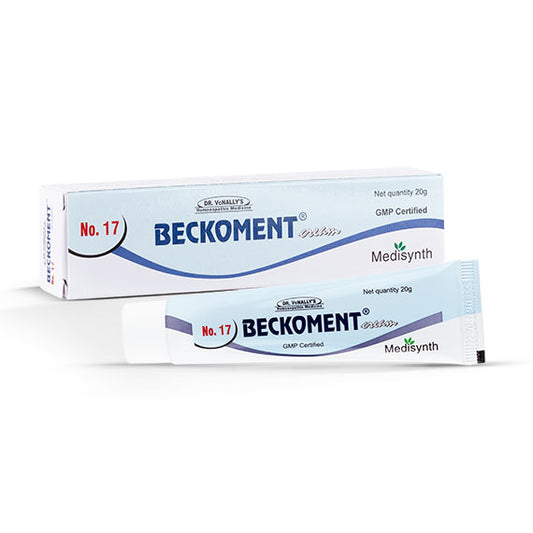
- MRP: ₹ 160.00 (Incl. of all taxes)
-
₹ - MRP: ₹ 160.00 (Incl. of all taxes)
- Unit price
- per
- MRP: ₹ 160.00 (Incl. of all taxes)
-
₹ - MRP: ₹ 160.00 (Incl. of all taxes)
- Unit price
- per