


How to Reduce Skin Pruritus Safely with Homeopathy

Skin pruritus, commonly experienced as itching, is a frequent concern that can range from mild irritation to persistent discomfort affecting daily life.
While occasional itching may resolve on its own, ongoing or recurrent pruritus often indicates an underlying imbalance in the skin or external triggers that continue to irritate it.
Unlike temporary skin reactions, persistent itching can disrupt sleep, reduce comfort, and lead to repeated scratching, which may further damage the skin.
This makes it important not only to manage the symptom but also to support the skin’s ability to maintain balance.
Approaches like Reduce Skin Pruritus using homeopathy focus on gentle and consistent care.
Instead of suppressing symptoms, they aim to support skin recovery, reduce irritation, and improve overall skin comfort over time.
What is Skin Pruritus?
Skin pruritus refers to the sensation that creates the urge to scratch. It may occur due to dryness, irritation, inflammation, or sensitivity in the skin.
The condition can affect localized areas or the entire body and may vary in intensity depending on the cause.
While mild itching is common, persistent pruritus often indicates that the skin barrier is compromised or reacting to internal or external factors.
Common characteristics include:
• persistent or recurring itching
• dry or rough skin texture
• redness or mild inflammation
• increased sensitivity to touch or environment
Understanding the nature of pruritus is essential to effectively improving skin comfort.
Common Causes of Skin Pruritus
Skin Pruritus can result from multiple factors, often working together rather than in isolation.
External factors
• dry weather or low humidity
• exposure to irritants such as soaps or chemicals
• dust, allergens, or pollution
• frequent washing without proper moisturization
Internal factors
• skin dryness due to dehydration
• sensitivity or allergic tendencies
• minor inflammatory skin conditions
• imbalance in the skin’s natural protective barrier
In many cases, addressing these factors is essential for long-term improvement.
Why Skin Pruritus Becomes Persistent
Occasional itching may not be a concern, but persistent pruritus often develops when the skin enters a cycle of irritation.
This cycle typically involves:
• dryness leading to itching
• scratching causing further irritation
• damage to the skin barrier
• increased sensitivity and repeated itching
Over time, this cycle makes the skin more reactive, so even minor triggers can cause discomfort.
Breaking this cycle is key to effectively managing itching.
Reduce Skin Pruritus with a Structured Approach
Managing itching requires a combination of symptom control and skin support. A structured approach helps improve comfort while reducing the chances of recurrence.
1. Maintain skin hydration
Keeping the skin hydrated helps restore its natural barrier and reduces dryness-related itching.
2. Avoid known irritants
Limiting exposure to harsh soaps, chemicals, or allergens reduces unnecessary irritation.
3. Support skin recovery
Appropriate topical care helps soothe the skin and reduce sensitivity.
4. Maintain consistency
Irregular care often leads to recurring symptoms. Consistent management helps maintain long-term comfort.
This approach is essential when focusing on how to improve skin itching safely.
Role of Homeopathy in Skin Pruritus
Homeopathy is commonly used for managing skin conditions that involve irritation, dryness, and sensitivity.
It focuses on supporting the skin’s natural balance rather than providing temporary suppression.
When used for itching homeopathic medicine, the aim is to:
• reduce irritation and discomfort
• support skin healing
• improve resistance to triggers
• maintain overall skin balance
This makes it suitable for individuals looking for a gentle and sustained approach to managing skin itching.
Key Homeopathic Remedies for Skin Itching
Homeopathic formulations for skin conditions often include remedies that support skin repair, reduce irritation, and improve resilience.
1. Calendula Officinalis
Calendula Officinalis is widely known for its soothing and skin-supportive properties. It is commonly used in conditions where the skin is irritated, inflamed, or sensitive.
It helps to:
• soothe irritated skin
• support natural skin repair
• reduce redness and discomfort
It is particularly useful when itching is associated with minor skin damage or dryness.
2. Echinacea Angustifolia
Echinacea Angustifolia is associated with supporting skin defense and maintaining overall skin health.
It helps to:
• support skin’s natural health
• reduce sensitivity to external factors
• improve overall skin condition
It is often considered in conditions where the skin is prone to recurring irritation.
Combined Action of Remedies
Together, these remedies help:
• reduce irritation and itching
• support skin healing and repair
• improve skin resilience
• maintain overall skin balance
This combined approach allows for more consistent management of homeopathic medicine for skin itching.
Best Homeopathic Cream for Skin Pruritus
When skin itching becomes persistent, topical care plays a central role in managing comfort.
The right formulation should not only soothe irritation but also support the skin’s ability to recover and maintain balance.
This is especially important in cases where dryness, sensitivity, or repeated irritation keeps triggering itching.
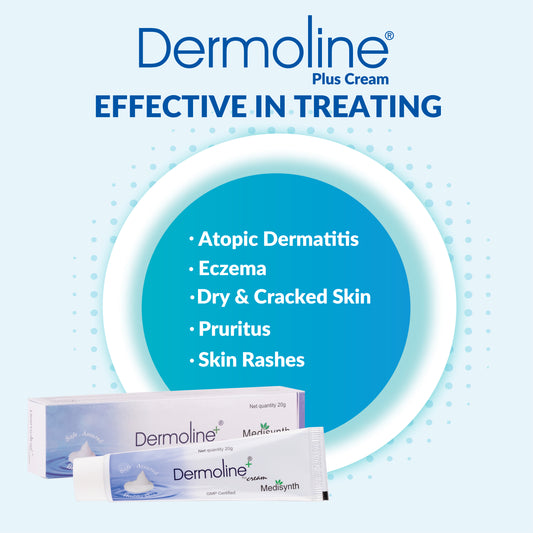
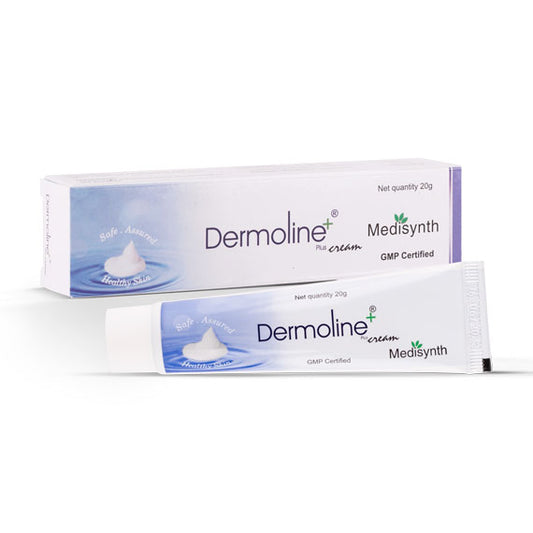
Medisynth Dermoline Cream
Medisynth Dermoline Cream is specifically formulated to support relief from itching associated with dryness, irritation, and sensitive skin conditions.
It is designed for regular use, making it suitable for individuals dealing with recurring or long-standing pruritus.
Unlike products that provide only temporary cooling or surface-level relief, it focuses on improving overall skin condition over time.
The formulation combines two key homeopathic ingredients known for their skin-supportive properties.
Key Ingredients:
- Calendula Officinalis: helps soothe irritated skin and supports the repair of minor skin damage.
- Echinacea Angustifolia: supports skin resilience and helps reduce sensitivity to external triggers
What makes it effective for itching
Dermoline Cream works by addressing the common factors that contribute to skin pruritus:
- calms irritated and sensitive skin
- supports restoration of the skin barrier
- reduces dryness that often triggers itching
- improves overall skin comfort with regular use
Because itching is often linked to repeated irritation and barrier damage, supporting these areas together helps reduce the tendency of symptoms to return.
Practical use in daily care
Dermoline Cream can be applied to affected areas as part of a consistent skincare routine. Long term application helps maintain skin hydration and reduces sensitivity over time.It is suitable for use in:
- dry and itchy skin conditions
- irritation caused by environmental exposure
- mild inflammatory skin concerns
- recurring itching tendencies
Using it consistently, rather than occasionally, plays an important role in improving results in case of pruritus
Over time, this helps reduce dependence on short-term relief methods and supports more stable skin comfort.
Daily Habits That Affect Skin Itching
Skin comfort is influenced by everyday habits. Small changes can make a noticeable difference in reducing itching.
• avoid hot showers that dry out the skin
• use mild, skin-friendly products
• keep the skin moisturized regularly
• wear breathable fabrics
• avoid scratching as much as possible
These habits help maintain skin balance and reduce irritation.
When Skin Pruritus Needs Attention
While mild itching is common, certain signs indicate the need for additional care.
• itching that persists for a long time
• skin becoming red or inflamed
• visible damage due to scratching
• discomfort affecting sleep or daily activities
In such cases, proper evaluation and consistent care become important.
Conclusion
Skin pruritus is a common yet often persistent condition that can affect comfort and quality of life.
While it may begin as mild irritation, ongoing itching can lead to a cycle of dryness, sensitivity, and repeated discomfort.
Understanding how to reduce skin pruritus involves addressing both symptoms and underlying factors.
A combination of proper skincare, avoidance of triggers, and consistent care is essential for long-term improvement.
Supportive approaches such as homeopathic medicine for itching provide a gentle way to manage symptoms while helping maintain skin balance.
Formulations such as Medisynth Dermoline Cream provide targeted support for reducing irritation and improving skin comfort.
With the right approach, skin itching can be managed effectively, leading to better comfort and healthier skin over time.
FAQs
1. What is skin pruritus?
Skin pruritus is the sensation of itching that creates the urge to scratch.
2. What causes persistent skin itching?
It can be caused by dryness, irritation, allergies or skin sensitivity.
3. How to reduce skin pruritus naturally?
Maintaining hydration, avoiding irritants, and using supportive skincare can help.
4. Can homeopathy help with skin itching?
Homeopathy is often used to manage irritation and support skin balance.
5. What is the best homeopathic medicine for skin itching?
Formulations with soothing and skin-supportive ingredients are commonly used.
6. Can dry skin cause itching?
Yes, dryness is one of the most common causes of itching.
7. When should itching be taken seriously?
If it persists, worsens, or affects daily life, it should be evaluated.
References:
- Pruritus: Causes & Treatments for Itchy Skin
- Pruritus (chronic itchy skin) - Symptoms, causes, treatments | National Kidney Foundation
- Itchy skin (pruritus) - Symptoms and causes - Mayo Clinic
- Homeopathy - Say goodbye to itching Skin: 5 homeopathic solutions!
Featured Collection


- MRP: ₹ 194.00 (Incl. of all taxes)
-
₹ 200.00 - MRP: ₹ 194.00 (Incl. of all taxes)
- Unit price
- per
- MRP: ₹ 194.00 (Incl. of all taxes)
-
₹ 200.00 - MRP: ₹ 194.00 (Incl. of all taxes)
- Unit price
- per

- MRP: ₹ 206.00 (Incl. of all taxes)
-
₹ - MRP: ₹ 206.00 (Incl. of all taxes)
- Unit price
- per
- MRP: ₹ 206.00 (Incl. of all taxes)
-
₹ - MRP: ₹ 206.00 (Incl. of all taxes)
- Unit price
- per


- MRP: ₹ 374.00 (Incl. of all taxes)
-
₹ - MRP: ₹ 374.00 (Incl. of all taxes)
- Unit price
- per
- MRP: ₹ 374.00 (Incl. of all taxes)
-
₹ - MRP: ₹ 374.00 (Incl. of all taxes)
- Unit price
- per
- MRP: ₹ 200.00 (Incl. of all taxes)
-
₹ - MRP: ₹ 200.00 (Incl. of all taxes)
- Unit price
- per
- MRP: ₹ 200.00 (Incl. of all taxes)
-
₹ - MRP: ₹ 200.00 (Incl. of all taxes)
- Unit price
- per
- MRP: ₹ 160.00 (Incl. of all taxes)
-
₹ - MRP: ₹ 160.00 (Incl. of all taxes)
- Unit price
- per
- MRP: ₹ 160.00 (Incl. of all taxes)
-
₹ - MRP: ₹ 160.00 (Incl. of all taxes)
- Unit price
- per