


Homeopathy for Fungal Infections of Skin

Fungal infections of the skin are among the most common dermatological concerns, affecting people across all age groups.
These infections thrive in warm, humid conditions and often recur if not managed properly.
Conditions such as ringworm, athlete’s foot, jock itch, and candidal skin infections can cause persistent itching, redness, scaling, discoloration, and discomfort, significantly impacting daily comfort and quality of life.
Conventional treatments for fungal infections often rely on strong antifungal agents that may suppress symptoms quickly but sometimes lead to irritation, dryness, or recurrence when discontinued.
This has led many individuals to explore gentler, more sustainable approaches.
Homeopathy for fungal infections of skin focuses on supporting the body’s natural healing response while addressing the infection locally and systemically.
This article explains how homeopathy approaches fungal skin infections, the role of commonly used homeopathic remedies, and how topical care fits into a natural strategy for those seeking to understand how to cure fungal infection on skin naturally.
Understanding Fungal Infections of the Skin
Fungal infections are caused by microorganisms that live on the skin and multiply when conditions are favorable.
Excess moisture, sweating, tight clothing, poor hygiene, weakened immunity, or prolonged exposure to damp environments can all contribute to fungal overgrowth.
Common symptoms include:
-
Persistent itching or burning
-
Red, scaly, or cracked skin
-
Circular or spreading patches
-
Thickened or discolored skin
-
Discomfort that worsens with heat or sweating
Because fungal infections can be stubborn and recurrent, effective management requires more than temporary symptom relief.
Addressing both the surface infection and underlying susceptibility is key to long-term improvement.
How Homeopathy Approaches Skin Fungal Infections
Homeopathic medicine for fungal infection works on the principle of restoring balance rather than aggressively suppressing symptoms.
Homeopathy views skin conditions as an outward expression of internal imbalance, often linked to immunity, circulation, or skin sensitivity.
The homeopathic approach typically involves:
-
Supporting the body’s natural resistance to fungal overgrowth
-
Reducing itching, inflammation, and irritation
-
Encouraging healthy skin repair
-
Lowering the tendency for recurrence
Homeopathy may involve internal remedies, external applications, or a combination of both, depending on the severity and nature of the infection.
Role of Homeopathic Medicine for Skin Fungal Infection
Internal homeopathic remedies are chosen based on the individual’s symptoms, skin type, and overall health.
Rather than treating all fungal infections the same way, homeopathy individualizes care to match how the infection presents.
A homeopathic medicine for skin fungal infection may be considered when:
-
Infections are recurrent or slow to heal
-
Symptoms worsen with heat, sweating, or humidity
-
Skin is sensitive, inflamed, or prone to cracking
-
There is associated itching, burning, or discharge
This individualized approach helps strengthen the body’s response while improving skin resilience over time.
Best Homeopathic Remedies Used in Fungal Skin Infections
Homeopathy uses a range of remedies that support skin healing and help manage fungal infections when selected appropriately.
The following remedies are commonly associated with fungal skin conditions and topical care.
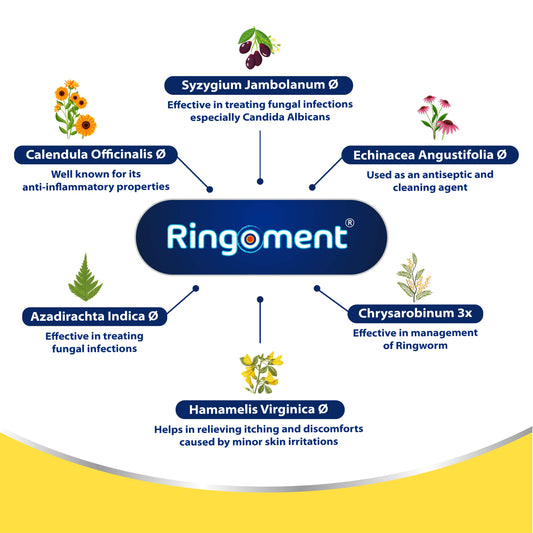
Syzygium Jambolanum
Syzygium Jambolanum is traditionally associated with metabolic balance and immune support. In skin conditions, it is often considered when infections are recurrent or slow to resolve, particularly in individuals with underlying susceptibility.
Calendula Officinalis
Calendula Officinalis is widely known in homeopathy for its skin-soothing and healing properties. It helps support skin repair, reduce irritation, and maintain healthy skin integrity, making it valuable in managing inflamed or cracked fungal lesions.
Hamamelis Virginica
Hamamelis Virginica is commonly used when fungal infections are associated with redness, sensitivity, or a raw, sore feeling. It supports circulation in affected areas and helps calm irritated skin.
Echinacea Angustifolia
Echinacea Angustifolia is traditionally linked to immune support and resistance to infection. In skin fungal conditions, it is often considered to help the body respond more effectively to infection and support recovery.
Azadirachta Indica
Azadirachta Indica, commonly known for its purifying properties, is frequently used in homeopathy for various skin concerns. It supports cleansing of the skin and helps reduce fungal overgrowth while soothing itching and irritation.
Chrysarobinum
Chrysarobinum is often associated with chronic or stubborn skin conditions. It is considered when fungal infections are thickened, scaly, or persistent, helping support gradual improvement and healthier skin regeneration.
Importance of Topical Care in Fungal Infections
While internal support is important, topical management plays a crucial role in controlling fungal growth on the skin surface.
A homeopathic cream for fungal infection helps act directly on affected areas, reducing local symptoms and supporting skin healing.
Topical homeopathic care aims to:
-
Soothe itching and burning
-
Reduce redness and scaling
-
Create an unfavorable environment for fungal growth
-
Support natural skin recovery
Consistent external care is especially important in areas prone to moisture, friction, or repeated exposure.
Using Homeopathic Cream for Fungal Infection
A homeopathic cream for fungal infection is typically applied directly to clean, dry skin.
Regular application helps maintain local hygiene and comfort while supporting the skin’s natural defenses.
Such creams are generally preferred by individuals who:
-
Have sensitive skin
-
Experience irritation from harsh chemical antifungals
-
Need longer-term topical support
-
Want a gentler, non-steroidal option
When used consistently, homeopathic creams can help manage symptoms while reducing the likelihood of recurrence.
Best Homeopathic Cream for Fungal Infections of Skin
Ringoment Anti-Fungal Cream
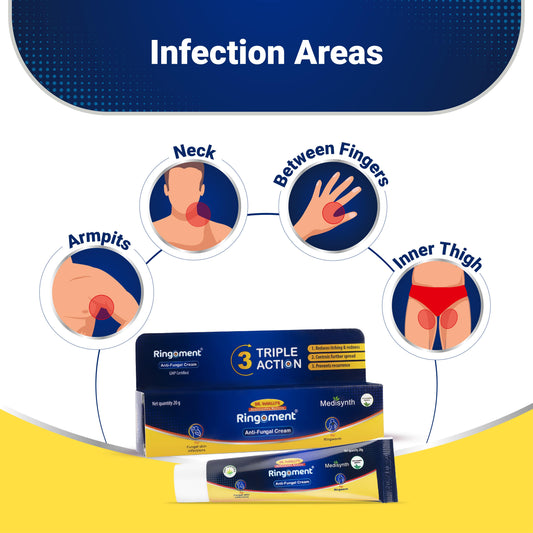
When it comes to topical care, Ringoment Antifungal Cream by Medisynth offers a natural and homeopathic option for managing fungal infections of the skin.
The formulation brings together carefully selected homeopathic ingredients traditionally associated with skin health, antifungal support, and soothing relief.
Ringoment Antifungal Cream helps:
-
Relieve itching, redness, and irritation
-
Support healing of affected skin
-
Reduce fungal overgrowth on the skin surface
-
Maintain skin comfort with regular use
Its gentle formulation makes it suitable for sensitive skin and for individuals seeking a homeopathic approach to fungal skin care.
How to Cure Fungal Infections on Skin Naturally
Curing fungal infections on the skin naturally requires a consistent, multi-step approach that focuses on controlling fungal growth, supporting skin healing, and strengthening the body’s natural defenses.
Since fungi thrive in warm and moist environments, effective natural care starts with changing the conditions that allow the infection to persist.
1. Maintain proper skin hygiene
Affected areas should be cleaned gently and dried thoroughly after bathing or sweating. Special attention should be given to skin folds, between toes, and areas prone to moisture.
Even small amounts of retained dampness can encourage fungal growth.
2. Keep the skin dry and breathable
Wearing loose, breathable clothing made from natural fabrics helps reduce sweating and friction.
Tight or synthetic clothing traps moisture and heat, making recovery slower.
3. Support skin healing with gentle topical care
Natural and homeopathy-based topical care helps soothe itching, reduce redness, and support skin repair without irritating already sensitive areas.
A homeopathic cream for fungal infection supports the skin barrier while discouraging fungal overgrowth, making it suitable for longer-term use.
4. Address internal balance
From a homeopathic perspective, recurring fungal infections may indicate lowered immunity or internal imbalance.
Supporting the body internally with appropriate homeopathic medicines helps improve resistance and reduces susceptibility to future infections.
5. Adopt supportive daily habits
Changing sweaty clothes promptly, using separate towels for affected areas, and avoiding excessive scrubbing all contribute to faster healing.
Gentle, consistent care allows the skin to recover naturally.
How to Prevent Recurrence of Fungal Skin Infections
Preventing recurrence is crucial in managing fungal skin infections, as fungi can linger on the skin or in the environment even after visible symptoms improve.
Long-term prevention focuses on maintaining skin health and minimizing factors that encourage fungal growth.
1. Continue care even after symptoms subside
Stopping treatment too early is one of the most common reasons for recurrence. Continuing topical care for a period after symptoms fade helps ensure complete skin recovery and reduces the risk of reinfection.
2. Maintain dryness in vulnerable areas
Areas such as the groin, underarms, feet, and skin folds should be kept dry at all times. Using clean towels, changing clothes regularly, and avoiding prolonged moisture exposure are essential preventive steps.
3. Avoid cross-contamination
Personal items such as towels, clothing, footwear, and bedding should not be shared. Regular washing and proper drying of these items help prevent fungal spores from spreading back to the skin.
4. Support immunity and overall health
Low immunity, chronic stress, and fatigue can increase the likelihood of recurrent fungal infections.
Homeopathy focuses on improving internal balance, which helps strengthen the body’s ability to resist infection over time.
5. Maintain consistent lifestyle habits
Balanced nutrition, adequate hydration, sufficient rest, and good hygiene practices all play a role in keeping the skin healthy and resilient.
In humid or sweaty conditions, extra care is needed to prevent moisture buildup.
Conclusion
Fungal infections of the skin can be uncomfortable, persistent, and frustrating when not addressed properly.
A homeopathic approach offers a gentle yet effective way to manage these conditions by supporting the body’s natural healing mechanisms while providing local relief.
With the use of appropriate homeopathic medicine for fungal infection, supportive remedies, and topical care such as Ringoment Antifungal Cream by Medisynth, individuals can work toward healthier skin and reduced recurrence.
When combined with good hygiene and preventive measures, homeopathy provides a balanced and natural path for those seeking to understand how to cure fungal infection on skin naturally.
References:
-
Fungal Skin Problems: Everyday Habits to Prevent Infections Naturally
-
Boericke’s Materia Medica with Repertory
Featured Collection


- MRP: ₹ 194.00 (Incl. of all taxes)
-
₹ 200.00 - MRP: ₹ 194.00 (Incl. of all taxes)
- Unit price
- per
- MRP: ₹ 194.00 (Incl. of all taxes)
-
₹ 200.00 - MRP: ₹ 194.00 (Incl. of all taxes)
- Unit price
- per
- MRP: ₹ 206.00 (Incl. of all taxes)
-
₹ - MRP: ₹ 206.00 (Incl. of all taxes)
- Unit price
- per
- MRP: ₹ 206.00 (Incl. of all taxes)
-
₹ - MRP: ₹ 206.00 (Incl. of all taxes)
- Unit price
- per


- MRP: ₹ 374.00 (Incl. of all taxes)
-
₹ - MRP: ₹ 374.00 (Incl. of all taxes)
- Unit price
- per
- MRP: ₹ 374.00 (Incl. of all taxes)
-
₹ - MRP: ₹ 374.00 (Incl. of all taxes)
- Unit price
- per
- MRP: ₹ 200.00 (Incl. of all taxes)
-
₹ - MRP: ₹ 200.00 (Incl. of all taxes)
- Unit price
- per
- MRP: ₹ 200.00 (Incl. of all taxes)
-
₹ - MRP: ₹ 200.00 (Incl. of all taxes)
- Unit price
- per
- MRP: ₹ 160.00 (Incl. of all taxes)
-
₹ - MRP: ₹ 160.00 (Incl. of all taxes)
- Unit price
- per
- MRP: ₹ 160.00 (Incl. of all taxes)
-
₹ - MRP: ₹ 160.00 (Incl. of all taxes)
- Unit price
- per