


Homeopathic Medicine for Dry and Itchy Skin: Causes, Symptoms & Natural Support

Dry and itchy skin is a common concern that can range from occasional dryness to persistent irritation, redness, scaling, or cracking.
Changes in weather, frequent washing, harsh skincare products, allergies, and underlying skin conditions can all contribute to dry and itchy skin.
When dryness and itching persist, they may also occur alongside eczema and dermatitis. Understanding the possible cause is important because repeatedly scratching irritated skin can further damage the skin barrier and worsen discomfort.
Many people looking for homeopathy medicine for dry and itchy skin explore homeopathic skincare as part of a holistic approach.
Dermoline Plus Cream is a Medisynth formulation described for dermatitis, dry and weeping eczema, irritation, and itching. Its formulation includes Calendula Officinalis and Echinacea Angustifolia.
This article explores the causes of dry skin, common symptoms of dry skin, the difference between ordinary dryness and conditions such as eczema and dermatitis, and the role of dry skin homeopathy as part of a broader approach to skin care.
What Is Dry and Itchy Skin?
Dry skin occurs when the skin loses moisture and its protective barrier becomes less effective. It may feel tight, rough, flaky, or uncomfortable.
When dryness is accompanied by itching, the urge to scratch can further irritate the skin and create small breaks in the skin surface.
Dry and itchy skin can occur anywhere on the body, although the hands, arms, legs, elbows, and other exposed areas are commonly affected.
Symptoms can range from mild and temporary to persistent enough to interfere with sleep and everyday activities.
Simple dryness is not necessarily a disease. However, persistent skin itching, redness, scaling, or inflammation may indicate an underlying condition such as eczema or dermatitis. Identifying the underlying cause is therefore an important part of choosing an appropriate dry skin treatment or itchy skin treatment.
Common Causes of Dry and Itchy Skin
There are many potential causes of dry skin, and several factors can contribute at the same time.
1. Dry Weather
Cold, windy, or low-humidity conditions can reduce moisture in the skin and make it feel rough, tight, and itchy.
Spending extended periods in air-conditioned or heated environments can have a similar effect.
2. Hot Showers
Frequent hot showers or baths can remove some of the skin's natural oils. Although hot water may temporarily feel soothing, prolonged exposure can leave the skin drier and more irritated.
3. Harsh Soaps and Cleansers
Strong soaps, detergents, fragrances, and certain skincare products may strip the skin's natural oils.
People with sensitive skin may experience greater skin irritation after using products that are too harsh for their skin.
4. Frequent Washing
Although regular washing is important for hygiene, repeatedly washing the hands or other areas of the body can contribute to dryness, particularly when strong soaps or sanitising products are used frequently.
5. Eczema and Dermatitis
Eczema and dermatitis are common causes of persistent itching and dry, irritated skin. Depending on the type and severity, they may cause redness, scaling, cracking, or areas of weeping.
6. Allergic or Irritant Reactions
Contact with cosmetics, metals, fabrics, plants, chemicals, or household products can trigger irritation or an allergic response. This may result in itching, redness, or a visible rash.
7. Age-Related Changes
As people age, the skin can produce less natural oil and become less effective at retaining moisture. Consequently, dry and itchy skin may become more common with age.
Common Symptoms of Dry and Itchy Skin
The symptoms of dry skin can vary according to the underlying cause and severity. Common signs include:
-
Rough or flaky skin
-
Tightness, particularly after bathing
-
Persistent or occasional itching
-
Redness and skin irritation
-
Fine scaling
-
Cracked or fissured skin
-
Increased skin sensitivity
-
Irritated patches or rashes
-
Thickened areas caused by repeated scratching
The intensity of skin itching can vary considerably. Mild itching may be occasional, while persistent itching can lead to repeated scratching and further irritation.
Scratching can also damage the skin surface and create small openings through which bacteria may enter.
If the affected area becomes increasingly painful, swollen, warm, or develops discharge, medical evaluation is advisable.
Dry Skin vs Eczema and Dermatitis
Not every case of dry skin is eczema or dermatitis.
Simple dryness is generally associated with reduced moisture and a weakened skin barrier, while eczema and dermatitis involve inflammation and may produce additional symptoms.
-
Dry skin commonly feels rough, tight, flaky, or itchy. It may improve when the skin is protected from drying factors and provided with appropriate moisturisation and care.
-
Dry eczema can produce dryness and itching together with redness, scaling, irritation, and cracking. In some cases, affected areas may become more inflamed as a result of repeated scratching.
-
Weeping eczema is characterised by areas that may ooze or release fluid. It can be particularly uncomfortable and may require professional assessment, especially when symptoms are extensive or persistent.
-
Dermatitis is a broader term referring to inflammation of the skin. It may develop following exposure to an irritant or allergen and can cause itching, redness, dryness, scaling, swelling, or irritation.
Because eczema and dermatitis can have different triggers and presentations, persistent symptoms should not automatically be assumed to be ordinary dry skin.
A qualified healthcare professional can help determine the underlying cause and appropriate course of care.
When Should Dry and Itchy Skin Be Evaluated?
Occasional dryness can often be managed through simple skincare and lifestyle measures. However, persistent or severe dry and itchy skin deserves greater attention.
Professional evaluation is particularly important when:
-
Itching persists despite basic skincare measures.
-
The rash is spreading or repeatedly returning.
-
The skin becomes painful, swollen, or significantly inflamed.
-
There are cracks, bleeding, or open areas.
-
The skin develops pus, discharge, or signs of infection.
-
Symptoms interfere with sleep or everyday activities.
-
The cause of the itching is unclear.
Homeopathic Remedies Commonly Used for Dry and Itchy Skin
Homeopathy has different kinds of remedies for different types of problems.
For problems related to dry and itchy skin, the best homeopathic remedies most commonly used in homeopathic medicines are as follows:
1. Calendula Officinalis
Calendula Officinalis is traditionally associated with skin care and the support of irritated or damaged skin.
In homeopathic practice, it is commonly used in topical formulations intended for minor skin irritation, wounds, and areas where the skin may be dry, cracked, or uncomfortable.
For individuals experiencing skin irritation alongside dryness and itching, Calendula is valued for its traditional soothing and skin-supportive role.
2. Echinacea Angustifolia
Echinacea Angustifolia is another ingredient traditionally used in homeopathic formulations for skin-related concerns.
It is associated with supporting the skin's natural resistance and overall skin health.
Best Homeopathic Medicine for Dry and Itchy Skin
When looking for a homeopathy medicine for dry and itchy skin, it is important to consider both the underlying skin concern and the condition of the skin itself.
Dryness accompanied by itching, cracking, irritation, or eczema-like symptoms may require a more targeted skincare approach than ordinary moisturisation.
Dermoline Plus Cream
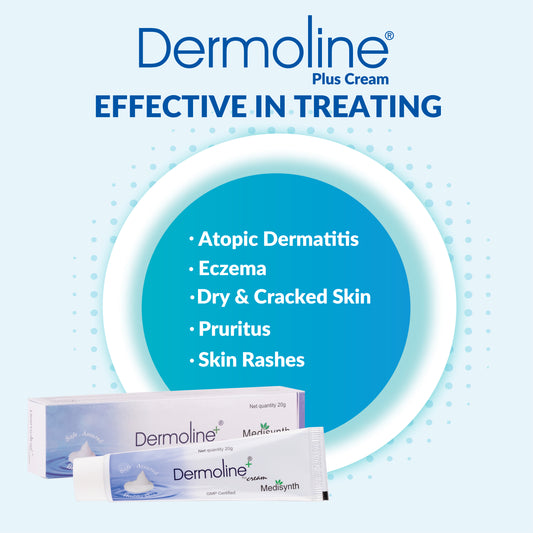
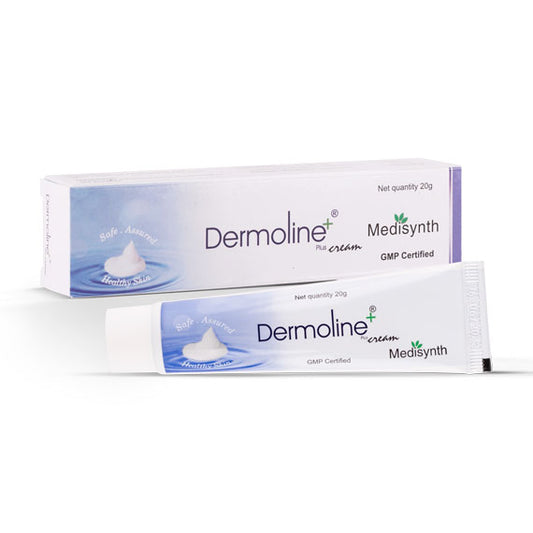
Dermoline Plus Cream by Medisynth is a topical homeopathic formulation specifically described for dermatitis, dry and weeping eczema, irritation, and itching on the skin. The product is also described as helping soothe dry and cracked skin.
The formulation contains Calendula Officinalis and Echinacea Angustifolia, two ingredients traditionally associated with skin support in homeopathic practice.
This makes Dermoline Plus Cream a relevant option for individuals exploring homeopathic medicine for eczema, homeopathic medicine for dermatitis, or topical support for dry and itchy skin.
Because it is a topical formulation, it can be incorporated into a regular skincare routine.
It is important to remember that persistent eczema, severe itching, extensive rashes, weeping skin, or symptoms that worsen over time should be assessed by a qualified healthcare professional.
Tips for Managing Dry and Itchy Skin Naturally
Along with an appropriate dry skin treatment, simple daily habits can help protect the skin barrier and minimise irritation:
-
Use lukewarm water: Avoid prolonged hot showers or baths.
-
Choose gentle cleansers: Avoid harsh soaps, fragrances, and products that leave the skin feeling tight.
-
Moisturise regularly: Apply a suitable moisturiser after bathing while the skin is still slightly damp.
-
Avoid scratching: Scratching can damage the skin and increase irritation.
-
Wear comfortable clothing: Choose soft, breathable fabrics that minimise friction.
-
Stay hydrated: Adequate fluid intake supports overall health and skin wellness.
-
Identify triggers: Pay attention to products, fabrics, weather conditions, or other factors that appear to worsen itching.
-
Seek professional advice: Persistent or severe skin itching should be evaluated rather than repeatedly treated with different products.
Conclusion
Dry and itchy skin can result from simple environmental factors or occur alongside conditions such as eczema and dermatitis.
Identifying the underlying cause, protecting the skin barrier, and maintaining a consistent skincare routine are important parts of managing the condition.
For individuals exploring dry skin homeopathy, Calendula Officinalis and Echinacea Angustifolia are traditionally used in homeopathic skin formulations.
These two ingredients form the basis of Dermoline Plus Cream, which Medisynth describes for dermatitis, dry and weeping eczema, irritation, itching, and dry or cracked skin.
A consistent skincare routine can complement topical care, while persistent, severe, or unexplained symptoms should be evaluated by a qualified healthcare professional.
Frequently Asked Questions
1. What causes dry and itchy skin?
Common causes include dry weather, hot showers, harsh soaps, frequent washing, allergies, irritants, eczema, and dermatitis.
2. What is the best homeopathic medicine for dry and itchy skin?
Dermoline Plus Cream by Medisynth is a topical homeopathic formulation described for dry and cracked skin, dermatitis, dry and weeping eczema, irritation, and itching.
3. Can homeopathy help with eczema and dermatitis?
Homeopathic formulations such as Dermoline Plus Cream can be considered for treatment of eczema and dermatitis.
4. What ingredients are present in Dermoline Plus Cream?
Dermoline Plus Cream contains Calendula Officinalis and Echinacea Angustifolia, which are traditionally used in homeopathic skin formulations.
5. What are the common symptoms of dry skin?
Common symptoms include roughness, flaking, tightness, itching, redness, scaling, sensitivity, and cracked skin.
6. How can I manage dry and itchy skin naturally?
Use lukewarm water, gentle cleansers, regular moisturisation, comfortable clothing, and avoid scratching. Staying hydrated and identifying potential triggers can also help support healthy skin.
References:
-
Eczema (Homeopathy) – Health Information Library | PeaceHealth
-
Allergic Dermatitis | Homoeopathic Wing- Directorate of AYUSH
-
Medicinal plants used in treatment of inflammatory skin diseases - PMC
-
Boericke’s Materia Medica Repertory
Featured Collection


- MRP: ₹ 100.00 (Incl. of all taxes)
-
₹ - MRP: ₹ 100.00 (Incl. of all taxes)
- Unit price
- per
- MRP: ₹ 100.00 (Incl. of all taxes)
-
₹ - MRP: ₹ 100.00 (Incl. of all taxes)
- Unit price
- per
- MRP: ₹ 206.00 (Incl. of all taxes)
-
₹ - MRP: ₹ 206.00 (Incl. of all taxes)
- Unit price
- per
- MRP: ₹ 206.00 (Incl. of all taxes)
-
₹ - MRP: ₹ 206.00 (Incl. of all taxes)
- Unit price
- per


- MRP: ₹ 374.00 (Incl. of all taxes)
-
₹ - MRP: ₹ 374.00 (Incl. of all taxes)
- Unit price
- per
- MRP: ₹ 374.00 (Incl. of all taxes)
-
₹ - MRP: ₹ 374.00 (Incl. of all taxes)
- Unit price
- per
- MRP: ₹ 200.00 (Incl. of all taxes)
-
₹ - MRP: ₹ 200.00 (Incl. of all taxes)
- Unit price
- per
- MRP: ₹ 200.00 (Incl. of all taxes)
-
₹ - MRP: ₹ 200.00 (Incl. of all taxes)
- Unit price
- per
- MRP: ₹ 160.00 (Incl. of all taxes)
-
₹ - MRP: ₹ 160.00 (Incl. of all taxes)
- Unit price
- per
- MRP: ₹ 160.00 (Incl. of all taxes)
-
₹ - MRP: ₹ 160.00 (Incl. of all taxes)
- Unit price
- per