


Dry vs Weeping Eczema: How to Identify Different Skin Responses

Skin irritation, itching, redness, and recurring rashes are often collectively referred to as eczema. However, not all eczema presents the same way.
Some individuals experience extremely dry, cracked, and flaky skin, while others develop oozing, moist lesions that crust over time.
Understanding the difference between these skin responses is essential for proper care.
Confusion between eczema and dry skin is common, especially in the early stages. While dry skin may be temporary and environmentally triggered, eczema is a chronic inflammatory skin condition with varied expressions.
Among its forms, dry eczema and weeping eczema represent two distinct responses of the skin to internal and external stressors.
This article explains the differences between dry skin and eczema, outlining how dry eczema and weeping eczema present, and discusses supportive homeopathic care options commonly considered for managing these conditions.
Understanding Eczema and Dry Skin
Dry skin, medically called xerosis, occurs when the skin lacks sufficient moisture. It may feel rough, tight, or flaky and is often triggered by cold weather, harsh soaps, frequent washing, or dryness due to dehydration.
Eczema, also known as dermatitis, is an inflammatory condition involving a compromised skin barrier and immune response. While dryness is a common feature, eczema extends beyond simple moisture loss and involves recurring inflammation.
Key Difference: Dry Skin vs Eczema
-
Dry skin is usually temporary and improves with moisturization
-
Eczema is chronic or recurrent and often accompanied by redness, itching, and inflammation
-
Dry skin rarely oozes or becomes infected, unlike eczema, which can.
Understanding this distinction helps clarify the comparison of dry skin vs eczema, especially when symptoms persist despite basic skin care.
What Is Dry Eczema?
Dry eczema refers to an eczema pattern where the skin becomes excessively dry, scaly, cracked, and inflamed. It often appears during colder months or in individuals with sensitive or atopic skin types.
Common Features of Dry Eczema
-
Extremely dry, rough skin
-
Flaking and scaling
-
Fine cracks that may cause discomfort
-
Redness and mild swelling
-
Persistent itching
Dry eczema commonly affects areas such as the hands, legs, arms, and face. Scratching can worsen the condition by damaging the already weakened skin barrier.
This form is frequently mistaken for simple dryness, which leads to under-treatment. The comparison of eczema vs dry skin becomes important when dryness is accompanied by itching, redness, or repeated flare-ups.
What Is Weeping Eczema?
Weeping eczema represents a more inflamed and reactive skin response. In this form, damaged skin releases clear or yellowish fluid, often followed by crust formation. This occurs when inflammation disrupts the skin barrier and increases fluid leakage.
Common Features of Weeping Eczema
-
Oozing or moist skin lesions
-
Yellow or honey-colored crusting
-
Increased redness and swelling
-
Warmth over affected areas
-
Intense itching or discomfort
Weeping eczema may develop from untreated or severely irritated dry eczema, especially when scratching introduces bacteria into broken skin.
Why Eczema Can Become Weeping
The progression from dry eczema to weeping eczema occurs due to increased inflammation, barrier breakdown, and often secondary infection. Factors that may contribute include:
-
Excessive scratching
-
Poor skin barrier repair
-
Exposure to irritants or allergens
-
Reduced immune resistance
Understanding this progression is essential when discussing weeping eczema treatment and prevention strategies.
Identifying Dry Eczema vs Weeping Eczema
|
Feature |
Dry Eczema |
Weeping Eczema |
|
Skin texture |
Dry, flaky, cracked |
Moist, oozing |
|
Discharge |
Absent |
Present |
|
Infection risk |
Lower |
Higher |
|
Discomfort |
Itching, tightness |
Pain, burning, itching |
|
Skin barrier |
Dry and compromised |
Broken and inflamed |
Correct identification helps determine appropriate supportive care and reduces the risk of complications.
How Homeopathy Views Eczema
Homeopathy considers eczema a reflection of internal imbalance rather than a purely surface condition. Skin reactions are seen as expressions of the body’s response to stress, immune dysregulation, or impaired healing mechanisms.
From a homeopathic perspective:
-
Chronic skin conditions require internal and external support
-
Suppressing symptoms alone may lead to recurrence
-
Strengthening skin repair and resistance is essential
Homeopathic remedies are selected based on the type of skin response rather than eczema as a single diagnosis.
Homeopathic Support for Dry and Weeping Eczema
Homeopathy does not differentiate treatment solely by disease name but by symptom pattern. The approach varies between dry eczema and weeping eczema due to their distinct skin responses.
Goals of Homeopathic Skin Support
-
Support skin barrier repair
-
Reduce inflammatory response
-
Improve resistance to infection
-
Promote healthy skin regeneration
Best Homeopathic Remedies for Eczema Support
The following remedies are traditionally referenced in homeopathic practice for inflammatory skin conditions, including dry and weeping eczema.
They are selected based on symptom presentation and skin response.
Calendula Officinalis
Calendula Officinalis is widely recognized in homeopathy for its role in supporting skin healing. It is commonly associated with managing inflamed, irritated, or broken skin.
It is often considered when:
-
Skin is cracked, sore, or slow to heal
-
There is redness with surface irritation
-
Promotes healthy granulation & rapid healing
Calendula is frequently used in topical preparations due to its association with maintaining skin integrity and comfort.
Echinacea Angustifolia
Echinacea Angustifolia is traditionally linked with immune modulation and resistance to infection. In skin conditions, it is often referenced when eczema presents with oozing or risk of secondary infection because of its antiseptic & cleansing properties..
It may be considered when:
-
Weeping eczema shows signs of inflammation
-
Skin lesions appear vulnerable to infection
-
Healing seems delayed
Its inclusion supports approaches aimed at managing weeping eczema treatment in a supportive, non-suppressive manner.
Best Homeopathic Medicine for Weeping Eczema
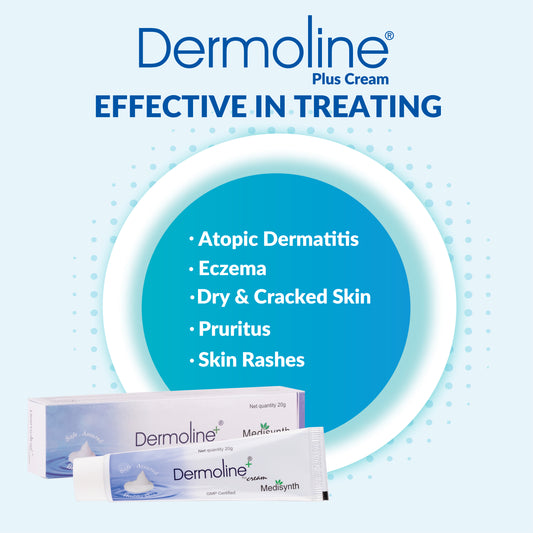
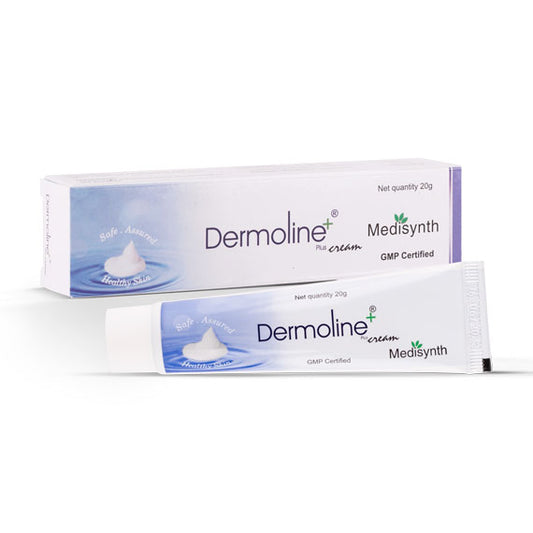
Dermoline Plus Cream by Medisynth
Dermoline Plus Cream is a homeopathic topical formulation developed to support inflamed, irritated, and eczema-prone skin.
It is commonly used in cases of dry eczema, weeping eczema, and dermatitis where the skin barrier is compromised.
Key Supportive Actions
-
Soothes inflamed and irritated skin
-
Supports the healing of cracked or weeping areas
-
Helps maintain skin hydration balance
-
Suitable for long-term supportive use
The formulation aligns with homeopathic principles by supporting the skin’s natural repair mechanisms rather than suppressing symptoms.
Managing Weeping Eczema: Practical Considerations
Weeping eczema represents a more active inflammatory phase of eczema in which the skin barrier is significantly compromised.
The presence of oozing fluid indicates increased inflammation and vulnerability to secondary infection.
Management at this stage focuses on calming the skin response, supporting barrier repair, and preventing further irritation.
A key principle in managing weeping eczema is avoiding aggressive drying. While the skin appears wet, excessive use of harsh drying agents can worsen barrier damage and prolong healing.
Instead, care should aim to restore balance by reducing inflammation and allowing controlled healing.
Supportive measures commonly include:
-
Keeping affected areas gently clean using mild, non-irritating cleansers
-
Patting the skin dry rather than rubbing
-
Avoiding occlusive coverings that trap heat and moisture unless medically advised
-
Minimizing scratching to prevent further skin breakdown and infection
-
Allowing the skin to breathe while maintaining appropriate topical support
Many people seek guidance on how to dry up weeping eczema, but effective management involves reducing inflammation and leakage rather than forcing dryness.
As the inflammatory response settles, oozing typically reduces naturally, followed by gradual skin repair and crust resolution.
Monitoring is important during this phase. Increasing redness, pain, warmth, or discharge may indicate secondary infection and should prompt medical evaluation.
Lifestyle and Skin Care Support
Daily habits and skin care routines play a critical role in managing both dry and weeping eczema.
Consistency in external care helps reduce flare-ups and supports the skin’s natural healing mechanisms.
1. Skin Care Practices
-
Use gentle, fragrance-free cleansers that do not strip natural oils
-
Avoid frequent washing of affected areas, which may worsen dryness and irritation
-
Apply topical preparations as advised to support skin hydration and repair
-
Avoid products containing alcohol, strong preservatives, or artificial fragrances
Bathing should be brief, using lukewarm water rather than hot water, as heat can intensify itching and inflammation.
2. Clothing and Environmental Factors
-
Choose soft, breathable fabrics such as cotton
-
Avoid tight clothing that increases friction and sweating
-
Maintain a comfortable indoor environment, avoiding excessive dryness or heat
Environmental triggers such as dust, harsh detergents, and chemical irritants should be minimized whenever possible.
3. Stress and Internal Balance
Psychological stress is known to affect inflammatory skin responses. Emotional stress may aggravate itching and delay healing in eczema-prone individuals.
Supportive strategies include:
-
Maintaining regular sleep patterns
-
Practicing stress-reduction techniques such as relaxation or gentle physical activity
-
Avoiding known personal triggers that worsen skin symptoms
4. Integrating Skin Care with Homeopathic Support
Lifestyle discipline improves the effectiveness of homeopathic approaches by reducing external stressors on the skin.
Consistent skin care, combined with appropriate internal and topical homeopathic support, helps promote longer symptom-free intervals and improves overall skin resilience.
Conclusion
Understanding the difference between eczema vs dry skin is essential for effective skin care.
Dry eczema and weeping eczema represent different inflammatory responses and require tailored support rather than a one-size-fits-all approach.
Homeopathic care, including remedies such as Calendula Officinalis and Echinacea Angustifolia, focuses on supporting skin repair, reducing inflammation, and improving resistance.
When combined with appropriate topical formulations like Medisynth’s Dermoline Plus Cream and consistent lifestyle measures, this approach offers a gentle, holistic pathway for managing chronic eczema-related skin responses.
References:
Featured Collection


- MRP: ₹ 100.00 (Incl. of all taxes)
-
₹ - MRP: ₹ 100.00 (Incl. of all taxes)
- Unit price
- per
- MRP: ₹ 100.00 (Incl. of all taxes)
-
₹ - MRP: ₹ 100.00 (Incl. of all taxes)
- Unit price
- per
- MRP: ₹ 206.00 (Incl. of all taxes)
-
₹ - MRP: ₹ 206.00 (Incl. of all taxes)
- Unit price
- per
- MRP: ₹ 206.00 (Incl. of all taxes)
-
₹ - MRP: ₹ 206.00 (Incl. of all taxes)
- Unit price
- per


- MRP: ₹ 374.00 (Incl. of all taxes)
-
₹ - MRP: ₹ 374.00 (Incl. of all taxes)
- Unit price
- per
- MRP: ₹ 374.00 (Incl. of all taxes)
-
₹ - MRP: ₹ 374.00 (Incl. of all taxes)
- Unit price
- per
- MRP: ₹ 200.00 (Incl. of all taxes)
-
₹ - MRP: ₹ 200.00 (Incl. of all taxes)
- Unit price
- per
- MRP: ₹ 200.00 (Incl. of all taxes)
-
₹ - MRP: ₹ 200.00 (Incl. of all taxes)
- Unit price
- per
- MRP: ₹ 160.00 (Incl. of all taxes)
-
₹ - MRP: ₹ 160.00 (Incl. of all taxes)
- Unit price
- per
- MRP: ₹ 160.00 (Incl. of all taxes)
-
₹ - MRP: ₹ 160.00 (Incl. of all taxes)
- Unit price
- per