


5 Signs of Weak Immunity & Its Homeopathic Treatment

The immune system is the body’s natural defense mechanism, protecting against infections, environmental stressors, and internal imbalances.
When immunity is strong, the body can effectively identify and neutralize harmful pathogens and recover without prolonged illness.
However, when immune strength declines, even minor infections can become frequent, persistent, or difficult to recover from.
A weak immune system does not develop suddenly. It is often the result of prolonged stress, inadequate nutrition, repeated infections, poor recovery, or lifestyle imbalances.
Early signs of immune weakness are frequently ignored or mistaken for routine fatigue or seasonal illness. Over time, these warning signs become more pronounced and can significantly affect daily life.
Understanding how to boost your immune system requires recognizing these signals early and supporting the body in a balanced, sustainable way.
Homeopathy offers a holistic approach to immune care by strengthening the body’s natural defenses rather than forcing short-term stimulation.
This article explains how immunity works, the most common low-immunity symptoms, and how homeopathic treatment can help restore immune balance over time.
Understanding the Immune System and Its Role
The immune system is a complex network consisting of white blood cells, antibodies, lymphatic vessels, bone marrow, spleen, and digestive tract.
Together, these components work to identify and eliminate harmful organisms such as bacteria, viruses, fungi, and toxins.
The immune system also plays a key role in repairing damaged tissues and maintaining internal balance.
A healthy immune system performs several vital functions. It recognizes foreign invaders quickly, mounts an appropriate response, and remembers past infections to provide future protection.
At the same time, it must remain regulated to avoid excessive inflammation or allergic reactions. This balance is what allows the body to stay healthy and resilient.
When immunity weakens, this balance is disrupted. The body may fail to respond efficiently to infections or may overreact to harmless triggers.
This can lead to frequent illness, slow recovery, fatigue, allergies, and digestive issues.
Understanding how to improve immune system function means recognizing that immunity is closely linked to nutrition, digestion, stress management, sleep quality, and overall vitality. Immune health reflects the body’s overall state rather than a single organ or function.
Five Signs of Weak Immunity
A weak immune system often shows recognizable patterns when observed over time. These signs indicate that the body’s defense mechanisms are under strain and require support.
1. Frequent Infections
Repeated infections are one of the most visible low-immunity symptoms. Individuals may experience frequent colds, coughs, throat infections, fevers, or minor illnesses throughout the year.
Instead of recovering fully, symptoms may return shortly after treatment. This suggests that the immune system is struggling to eliminate pathogens completely or build lasting resistance.
2. Slow Recovery from Illness
Delayed healing is another common sign of immune weakness. Cough, weakness, or fatigue may persist long after an infection has subsided.
Minor cuts or injuries may also take longer to heal. Slow recovery indicates reduced immune efficiency and impaired repair mechanisms, often caused by nutritional deficiencies or prolonged immune stress.
3. Persistent Fatigue and Low Energy Levels
Ongoing fatigue that does not improve with rest is frequently linked to an immune imbalance. When immunity is compromised, the body expends additional energy managing low-grade inflammation or repeated immune challenges.
This results in constant tiredness, reduced stamina, and difficulty concentrating. Persistent fatigue is one of the most overlooked but significant signs of a weak immune system.
4. Digestive Disturbances and Poor Appetite
Much of the immune system resides in the gut. Poor appetite, bloating, indigestion, or irregular digestion can weaken immune response by limiting nutrient absorption.
When the body does not receive or assimilate adequate nutrients, immune cells cannot function optimally. Digestive health is, therefore, foundational to how to boost your immune system effectively.
5. Increased Sensitivity to Stress and Allergies
Stress directly suppresses immune activity. Individuals with weak immunity often fall sick after emotional or physical stress.
They may also experience heightened allergic reactions or sensitivity to environmental changes. This reflects reduced immune adaptability and resilience, making stress management an essential part of immune care.
How Homeopathy Approaches Immune Weakness
Homeopathy supports immune health by strengthening the body’s internal balance rather than overstimulating the immune response.
Its approach focuses on improving vitality, metabolic efficiency, and resistance to illness over time.
Instead of targeting isolated symptoms, homeopathy works by:
-
Enhancing the body’s natural defense mechanisms
-
Improving recovery after illness
-
Supporting energy and stamina
-
Maintaining immune balance without overreaction
This makes homeopathy particularly suitable for individuals experiencing recurring infections, prolonged weakness, or chronic immune imbalance.
By addressing the underlying causes of immune weakness, homeopathy promotes steady, long-term improvement rather than short-lived relief.
Best Homeopathic Treatment to Strengthen Immunity
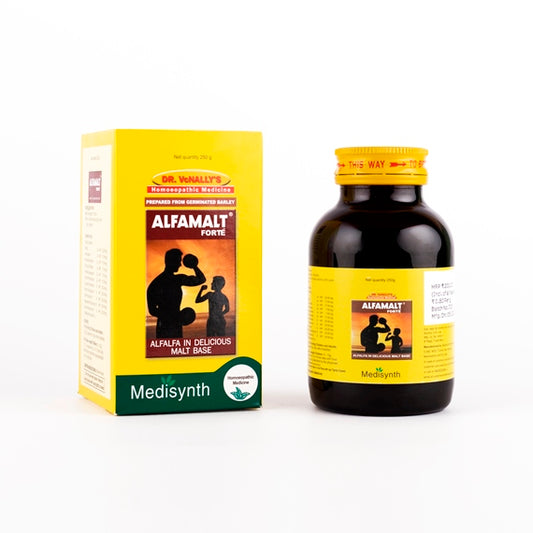
Alfamalt Forte
Medisynth’s Alfamalt Forte is a homeopathic tonic designed to support overall vitality, appetite, and immune strength. It is commonly used in individuals experiencing weakness, poor appetite, or prolonged recovery due to low immunity.
Its role in immune support includes:
-
Improving appetite and digestion
-
Enhancing nutrient absorption
-
Supporting energy levels
-
Aiding recovery during convalescence
-
Strengthening overall immune resilience
By supporting nutritional and energy-related aspects of immunity, Alfamalt Forte complements a holistic homeopathic approach to immune care.
Lifestyle Factors That Influence Immune Strength
Daily habits play a crucial role in immune health. Even the most effective treatment works best when supported by a healthy lifestyle.
-
Nutrition is central to immune function. A balanced diet provides the vitamins, minerals, and antioxidants required for immune cell production and activity.
-
Poor eating habits, skipped meals, or inadequate nutrient intake can weaken immune defenses over time.
-
Sleep is equally important. During rest, the body repairs tissues and regulates immune responses. Chronic sleep deprivation reduces immune efficiency and increases susceptibility to infections.
-
Stress management also plays a vital role. Prolonged stress releases hormones that suppress immune activity.
-
Regular physical activity, relaxation practices, and maintaining work-life balance help protect immune strength.
-
Hydration and moderate exercise further support circulation, metabolism, and immune efficiency.
Together, these factors significantly influence how to improve immune system health naturally.
Common Habits That Weaken Immunity
Certain everyday habits can gradually undermine immune strength if left unchecked. Ignoring early signs of illness places additional strain on the immune system and delays recovery.
-
Poor sleep patterns, irregular meals, and excessive consumption of processed foods reduce the body’s resilience.
-
Chronic stress, lack of physical activity, and insufficient recovery after illness further weaken immune defenses.
-
Frequent exposure to environmental pollutants without protective measures also contributes to immune suppression.
Identifying and correcting these habits is essential for restoring immune balance and preventing recurring health issues.
How Long Does It Take to Strengthen Immunity?
Immune strengthening is a gradual process that depends on consistency, overall health, and lifestyle habits. There is no instant solution for immune weakness.
With regular support:
-
Energy levels may improve within a few weeks
-
The frequency of infections may gradually reduce
-
Recovery from illness becomes faster and more complete
-
Overall resilience improves with sustained care
Addressing a weak immune system requires patience and a long-term approach rather than quick fixes.
Conclusion
A weak immune system often presents through frequent infections, slow recovery, persistent fatigue, digestive disturbances, and heightened sensitivity to stress.
Recognizing these signs early allows timely intervention and prevents long-term health complications.
Homeopathy offers a gentle yet effective approach to immune care by strengthening vitality, digestion, and overall balance.
When supported with healthy lifestyle choices and formulations such as Alfamalt Forte, individuals can gradually rebuild immune resilience naturally and sustainably.
By focusing on long-term balance rather than short-term stimulation, it becomes possible to improve immune strength, reduce illness frequency, and maintain overall well-being over time.
References:
Featured Collection

- MRP: ₹ 112.00 (Incl. of all taxes)
-
₹ - MRP: ₹ 112.00 (Incl. of all taxes)
- Unit price
- per
- MRP: ₹ 112.00 (Incl. of all taxes)
-
₹ - MRP: ₹ 112.00 (Incl. of all taxes)
- Unit price
- per

- MRP: ₹ 187.00 (Incl. of all taxes)
-
₹ - MRP: ₹ 187.00 (Incl. of all taxes)
- Unit price
- per
- MRP: ₹ 187.00 (Incl. of all taxes)
-
₹ - MRP: ₹ 187.00 (Incl. of all taxes)
- Unit price
- per


- MRP: ₹ 150.00 (Incl. of all taxes)
-
₹ - MRP: ₹ 150.00 (Incl. of all taxes)
- Unit price
- per
- MRP: ₹ 150.00 (Incl. of all taxes)
-
₹ - MRP: ₹ 150.00 (Incl. of all taxes)
- Unit price
- per