


Best Homeopathic Skin Care Routine for Heat Rash-Prone Skin in Summer

Summer brings longer days, outdoor activities, vacations, and plenty of sunshine. Unfortunately, it also brings one of the most common seasonal skin problems: heat rash.
Most people have experienced it at some point. The skin suddenly feels itchy, prickly, or irritated after spending time outdoors in hot weather.
Small red bumps may appear on the neck, back, chest, underarms, or other areas where sweat tends to accumulate.
In many cases, the discomfort becomes worse after prolonged sweating or wearing tight clothing.
Although heat rash is usually not a serious condition, it can be uncomfortable enough to interfere with sleep, exercise, work, and everyday activities.
The good news is that understanding what causes heat rash often makes it easier to prevent and manage.
Many people searching for heat rash treatment, heat rash treatment cream, or how to get rid of heat rash quickly are looking for practical ways to keep their skin comfortable during the hottest months of the year.
What Is Heat Rash?
Heat rash, sometimes called prickly heat, develops when sweat becomes trapped beneath the skin instead of reaching the surface normally.
Under normal circumstances, sweat helps cool the body. During hot and humid weather, however, sweat ducts can become blocked.
When this happens, sweat remains trapped under the skin, leading to irritation and the appearance of small bumps or rashes.
Heat rash is particularly common during:
-
Summer months
-
Humid weather
-
Outdoor activities
-
Exercise
-
Extended periods of sweating
-
Hot indoor environments
Although anyone can develop heat rash, people who sweat heavily often experience it more frequently.
What Causes Heat Rash?
The underlying cause of heat rash is trapped sweat, but several factors can increase the likelihood of developing it.
1. Excessive Sweating
The more a person sweats, the greater the chance that sweat ducts may become blocked.
2. Hot and Humid Weather
Humidity makes it harder for sweat to evaporate efficiently from the skin's surface.
3. Tight Clothing
Tight-fitting garments may trap heat and reduce airflow around the skin.
4. Prolonged Outdoor Exposure
Spending long hours outdoors during summer can increase heat buildup and sweating.
5. Friction-Prone Areas
Heat rash commonly develops where skin rubs against skin or clothing.
Common locations include:
-
Neck
-
Chest
-
Back
-
Underarms
-
Groin
-
Waistline
Common Symptoms of Heat Rash
Heat rash can vary in appearance and severity depending on how much irritation develops.
Common symptoms include:
-
Small red bumps
-
Prickling sensation
-
Itching
-
Mild burning sensation
-
Skin irritation
-
Discomfort during sweating
-
Increased sensitivity in affected areas
Many people notice that symptoms become worse after spending time outdoors or engaging in physical activity.
Heat Rash vs Other Summer Skin Problems
Heat rash is often confused with other skin conditions that become common during summer.
1. Heat Rash
Usually appears as clusters of small red bumps accompanied by itching or prickling sensations.
2. Fungal Infections
Fungal infections often produce persistent itching and may spread gradually in warm, moisture-prone areas.
3. Acne Breakouts
Acne develops when pores become clogged with oil, dead skin cells, and impurities.
4. Skin Irritation From Friction
Repeated rubbing between clothing and skin can also cause redness and discomfort that may resemble heat rash.
Understanding the difference is important because each condition may require a different approach to skin care.
Precautions to prevent Heat Rash
Many people initially look for heat rash treatment at home before considering additional skin-care products.
Several simple measures can help reduce discomfort.
1. Move to a Cooler Environment
Reducing heat exposure often helps prevent further sweating and irritation.
2. Keep the Skin Dry
Sweat trapped on the skin can worsen discomfort. Gently drying affected areas may help reduce irritation.
3. Wear Loose Clothing
Breathable fabrics improve airflow and reduce heat accumulation.
4. Avoid Excessive Scratching
Scratching may increase irritation and make the affected skin more uncomfortable.
5. Take Cool Showers
Cool showers can help remove sweat, dirt, and oil that accumulate during hot weather.
How to Get Rid of Heat Rash Quickly
People searching for how to get rid of heat rash quickly are usually looking for immediate relief from itching and discomfort.
While heat rash generally improves once the skin is allowed to cool, the following steps may help:
-
Reduce sweating whenever possible
-
Keep affected areas clean
-
Wear lightweight clothing
-
Avoid prolonged heat exposure
-
Maintain proper skin hygiene
-
Use suitable skin-care products during summer
The faster heat and moisture are controlled, the more quickly the skin is usually able to recover.
Best Homeopathic Medicine for Heat Rash treatment and other Summer skincare problems
Medisynth Summer Combo Kit
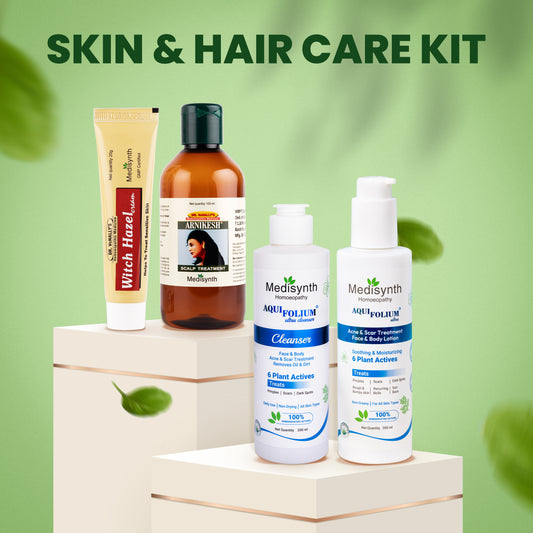
The Medisynth Summer Combo brings together four products designed to support different aspects of summer skincare.
Instead of focusing on only one concern, the kit addresses cleansing, skin maintenance, and skin care during periods of increased heat and humidity.
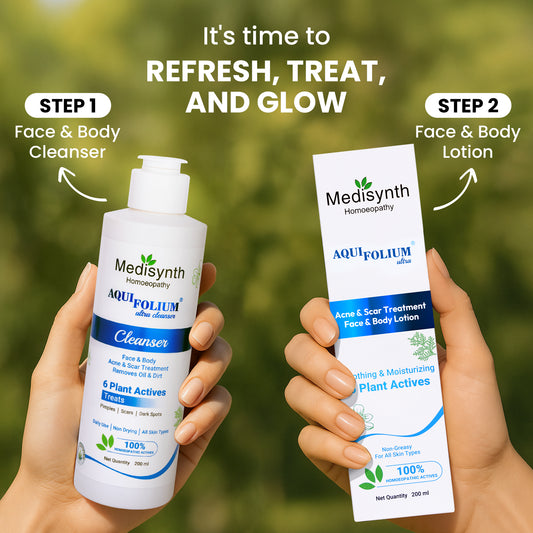
1. Aquifolium Ultra Cleanser
During summer, sweat, excess oil, dust, and environmental impurities can accumulate on the skin throughout the day.
Aquifolium Ultra Cleanser contains:
-
Berberis Aquifolium
-
Hamamelis Virginica
-
Thuja Occidentalis
-
Echinacea Angustifolia
-
Curcuma Longa
-
Hydrastis Canadensis
-
Thiosinaminum
Regular cleansing helps remove daily buildup and keeps the skin feeling fresh during hot weather.
2. Witch Hazel Cream
Among the products in the Summer Combo, Witch Hazel Cream is particularly relevant when the skin feels irritated from heat, sweating, and environmental exposure.
Composition:
-
Hamamelis Virginica
-
Calendula Officinalis
Summer conditions can leave the skin feeling uncomfortable, especially after prolonged outdoor activity.
Witch Hazel Cream can be incorporated into a summer skincare routine when the skin requires additional care following exposure to heat and humidity.
3. Aquifolium Ultra Lotion
Heat, sweating, and environmental exposure can sometimes leave the skin looking uneven or dull over time.
Aquifolium Ultra Lotion contains:
-
Berberis Aquifolium
-
Hamamelis Virginica
-
Thuja Occidentalis
-
Echinacea Angustifolia
-
Curcuma Longa
-
Hydrastis Canadensis
-
Thiosinaminum
The cream is commonly included in skincare routines focused on maintaining clearer and healthier-looking skin.
4. Ringoment Cream
Summer weather can also increase exposure to conditions that affect skin comfort, particularly in moisture-prone areas.
Ringoment Cream contains:
-
Syzygium Jambolanum
-
Calendula Officinalis
-
Hamamelis Virginica
-
Echinacea Angustifolia
-
Azadirachta Indica
-
Chrysarobinum
Its inclusion makes the Summer Combo a broader skincare kit rather than a routine focused on a single seasonal concern.
How to Use the Summer Combo in Your Daily Routine
A simple daily routine can help support healthier-looking skin during hot weather and prevent heat rash as well as other summer skin issues.
Morning
-
Cleanse the skin with Aquifolium Ultra Cleanser.
-
Apply Aquifolium Ultra Lotion as part of your regular skincare routine.
During the Day
-
Avoid remaining in sweat-soaked clothing for extended periods.
-
Stay hydrated and protect the skin from excessive heat exposure.
Evening
-
Cleanse the skin again to remove sweat, oil, and impurities accumulated throughout the day.
-
Use Witch Hazel Cream or other products from the combo according to your skincare needs.
-
Consistency is often more important than using multiple products occasionally.
Preventing Heat Rash During Summer
Preventing heat rash is often easier than treating it.
Helpful preventive measures include:
-
Wear breathable clothing
-
Avoid excessive heat exposure
-
Take breaks from direct sunlight
-
Shower after excessive sweating
-
Keep the skin clean
-
Stay hydrated
These simple habits can significantly reduce the likelihood of recurring heat rash.
Conclusion
Heat rash is one of the most common summer skin concerns and is usually triggered by excessive sweating, heat, and trapped moisture.
Although the condition is often temporary, it can cause considerable discomfort during hot and humid weather.
Proper skin hygiene, breathable clothing, hydration, and a consistent skincare routine remain among the most effective approaches to managing summer skin concerns.
For individuals looking beyond basic heat rash treatment at home, the Medisynth Summer Combo provides a broader summer skincare routine that supports cleansing, skin maintenance, and care during periods of increased heat and humidity.
FAQs
1. What is the best heat rash treatment?
The best approach usually involves cooling the skin, reducing sweating, wearing breathable clothing, and maintaining proper skin hygiene.
2. How to get rid of heat rash quickly?
Moving to a cooler environment, keeping the skin dry, avoiding excessive sweating, and maintaining a consistent skincare routine may help improve comfort more quickly.
3. What is a heat rash treatment cream?
A heat rash treatment cream is typically used as part of a skincare routine intended to support skin comfort during periods of irritation and heat exposure.
4. Can sweating make heat rash worse?
Yes. Excessive sweating is one of the primary factors that contribute to heat rash.
5. What are some heat rash treatment at home options?
Cool showers, loose clothing, proper hydration, and keeping the skin dry are among the most common home-care measures.
6. Who is more likely to develop heat rash?
People who sweat heavily, spend long hours outdoors, exercise frequently, or live in hot and humid climates may be more likely to experience heat rash.
7. Can heat rash occur in adults?
Yes. Although commonly associated with children, heat rash frequently affects adults during summer and humid weather.
8. Is heat rash the same as a fungal infection?
No. Heat rash is caused by trapped sweat, whereas fungal infections are caused by fungal organisms and often require a different approach to skin care.
References:
-
How to Get Rid of a Heat Rash: Treatment, Remedies, and More
- Boericke’s Materia Medica
Featured Collection


- MRP: ₹ 374.00 (Incl. of all taxes)
-
₹ - MRP: ₹ 374.00 (Incl. of all taxes)
- Unit price
- per
- MRP: ₹ 374.00 (Incl. of all taxes)
-
₹ - MRP: ₹ 374.00 (Incl. of all taxes)
- Unit price
- per


- MRP: ₹ 374.00 (Incl. of all taxes)
-
₹ 0.00 - MRP: ₹ 374.00 (Incl. of all taxes)
- Unit price
- per
- MRP: ₹ 374.00 (Incl. of all taxes)
-
₹ 0.00 - MRP: ₹ 374.00 (Incl. of all taxes)
- Unit price
- per


- MRP: ₹ 418.00 (Incl. of all taxes)
-
₹ - MRP: ₹ 418.00 (Incl. of all taxes)
- Unit price
- per
- MRP: ₹ 418.00 (Incl. of all taxes)
-
₹ - MRP: ₹ 418.00 (Incl. of all taxes)
- Unit price
- per

- MRP: ₹ 748.00 (Incl. of all taxes)
-
₹ 0.00 - MRP: ₹ 748.00 (Incl. of all taxes)
- Unit price
- per
- MRP: ₹ 748.00 (Incl. of all taxes)
-
₹ 0.00 - MRP: ₹ 748.00 (Incl. of all taxes)
- Unit price
- per

- MRP: ₹ 973.00 (Incl. of all taxes)
-
₹ - MRP: ₹ 973.00 (Incl. of all taxes)
- Unit price
- per
- MRP: ₹ 973.00 (Incl. of all taxes)
-
₹ - MRP: ₹ 973.00 (Incl. of all taxes)
- Unit price
- per