


Best Homeopathic Medicine for Cough, Cold & Flu During Monsoon

The monsoon season brings welcome relief from the summer heat, but it also creates favourable conditions for the spread of respiratory infections.
Increased humidity, sudden temperature changes, damp surroundings, and a rise in viral infections make cough, cold, and flu among the most common health concerns during this time of the year.
While many cases are mild and resolve with appropriate care, they can still interfere with daily activities and overall well-being.
Along with maintaining good hygiene and a healthy lifestyle, many people explore homeopathic medicine for cough and cold as part of a holistic approach to respiratory wellness.
In this article, we'll discuss why respiratory illnesses are more common during the rainy season, the viral flu symptoms to watch for, commonly used homeopathic remedies, and how the Medisynth Cough & Cold Care Kit provides comprehensive homeopathic respiratory care for seasonal cough, cold, and flu symptoms.
Why Are Cough, Cold & Flu More Common During Monsoon?
The rainy season creates conditions that allow viruses and other microorganisms to spread more easily.
At the same time, environmental changes may reduce the body's natural resistance, making respiratory illnesses more common.
Some of the main reasons include:
1. Increased Viral Transmission
Many viruses responsible for cough, cold, and seasonal flu spread more rapidly during periods of high humidity and close indoor contact.
2. Sudden Weather Changes
Moving between humid outdoor conditions and air-conditioned indoor environments can irritate the respiratory tract, making individuals more susceptible to cough and cold.
3. Higher Humidity Levels
Excess moisture in the air encourages the growth of mould, bacteria, and other microorganisms that may contribute to respiratory irritation.
4. Seasonal Allergens
The monsoon season often increases exposure to mould spores, dust mites, and other allergens that can trigger sneezing, nasal congestion, and allergy-related respiratory symptoms.
5. Reduced Immunity
Changes in routine, poor nutrition, lack of sleep, and seasonal illnesses may temporarily weaken the immune system, increasing susceptibility to infections.
Common Symptoms of Monsoon Cough, Cold & Flu
Although symptoms vary depending on the underlying infection, recognising them early can help individuals seek timely care and reduce the risk of complications.
Some of the most common viral flu symptoms and respiratory complaints include:
-
Frequent sneezing.
-
Runny or blocked nose.
-
Sore throat.
-
Dry or productive cough.
-
Fever and chills.
-
Headache.
-
Body aches.
-
Fatigue and weakness.
-
Watery eyes.
-
Chest congestion.
-
Mild breathlessness in some individuals.
While many seasonal respiratory infections improve with supportive care, persistent high fever, difficulty breathing, chest pain, or worsening symptoms should always be evaluated by a qualified healthcare professional.
Homeopathic Remedies Commonly Used for Cough, Cold & Flu
Homeopathy offers a variety of remedies that may be considered for respiratory complaints depending on an individual's symptoms and overall health.
Some of the commonly used remedies inside homeopathic medicine for cough and cold are as follows:
1. Allium Cepa
Allium Cepa is one of the most recognised homeopathic remedies for symptoms affecting the nose. It is traditionally considered for frequent sneezing, profuse watery nasal discharge, watery eyes, and seasonal allergy symptoms that commonly occur during monsoon.
2. Natrum Muriaticum
Natrum Muriaticum is traditionally associated with recurrent colds, sneezing, watery nasal discharge, and nasal irritation. It may be considered when symptoms persist despite supportive care.
3. Sinapis Nigra
Sinapis Nigra is traditionally used in homeopathy for nasal congestion and irritation, particularly when blocked nasal passages interfere with comfortable breathing.
4. Arum Dracontium
Arum Dracontium is traditionally considered when cold symptoms affect both the nose and throat, especially when irritation and discomfort are prominent.
5. Bryonia Alba
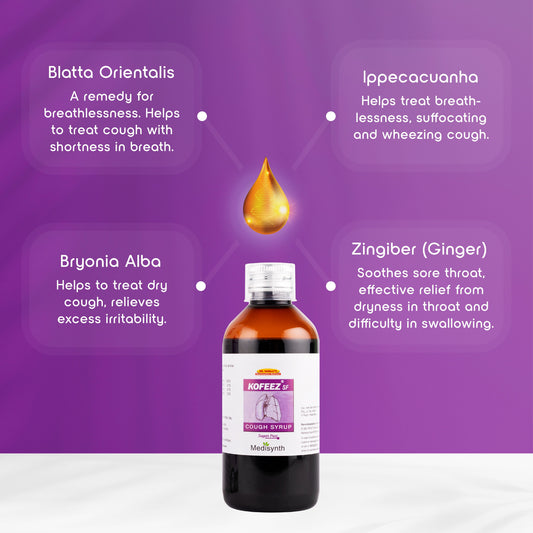
Bryonia Alba is one of the best-known homeopathic remedies traditionally associated with dry, painful coughs that worsen with movement and are accompanied by chest discomfort.
6. Drosera Rotundifolia
Drosera Rotundifolia is traditionally used for persistent spasmodic coughs, particularly when repeated coughing fits interfere with sleep or daily activities.
7. Ipecacuanha
Ipecacuanha is traditionally associated with cough accompanied by excessive mucus, wheezing, nausea, or difficulty clearing respiratory secretions.
8. Squilla
Squilla is commonly described in homeopathic literature for productive coughs associated with irritation of the respiratory passages and excessive mucus production.
9. Antimonium Sulphuratum Aureum
Antimonium Sulphuratum Aureum is traditionally considered for respiratory complaints involving chest congestion and difficulty expectorating mucus.
10. Blatta Orientalis
Blatta Orientalis is traditionally associated with bronchial congestion and respiratory discomfort, particularly when breathing becomes difficult due to excessive mucus.
11. Zingiber
Zingiber is traditionally valued in homeopathy for supporting throat comfort and respiratory wellness during seasonal cough and cold episodes.
Best Homeopathic Medicine for Cough, Cold & Flu During Monsoon
Medisynth Cough & Cold Care Kit
When looking for the best homeopathic medicine for cough, cold & flu during monsoon, it is important to choose a solution that addresses the wide range of respiratory symptoms commonly experienced during the rainy season.
The Medisynth Cough & Cold Care Kit combines three complementary homoeopathic formulations that work together to provide support for common monsoon respiratory concerns. The formulations may be used as required or as prescribed by the physician.
1. Nasaltone Oral Drops
Nasaltone Oral Drops are formulated to support symptoms affecting the upper respiratory tract, including sneezing, runny nose, nasal congestion, watery eyes, sore throat, and allergy-related discomfort caused by dust and pollen exposure.
2. Kofgan Forte Drops
Kofgan Forte Drops are designed to provide homeopathic support for various types of cough, including dry cough, wet cough, allergic cough, chronic cough, smoker's cough, and bronchial irritation. The formulation also supports comfortable expectoration when mucus is present.
3. Kofeez Cough Syrup
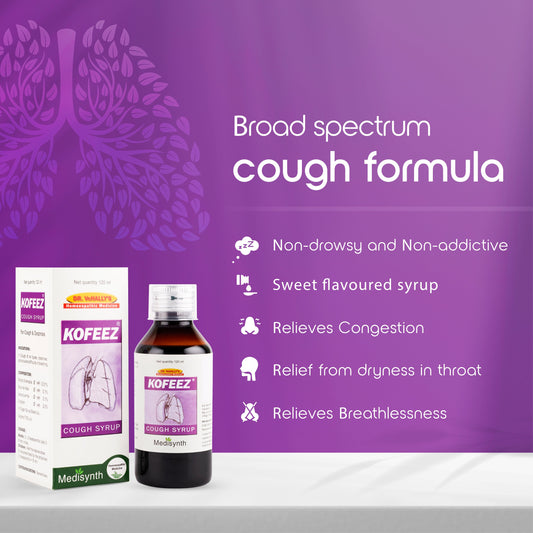
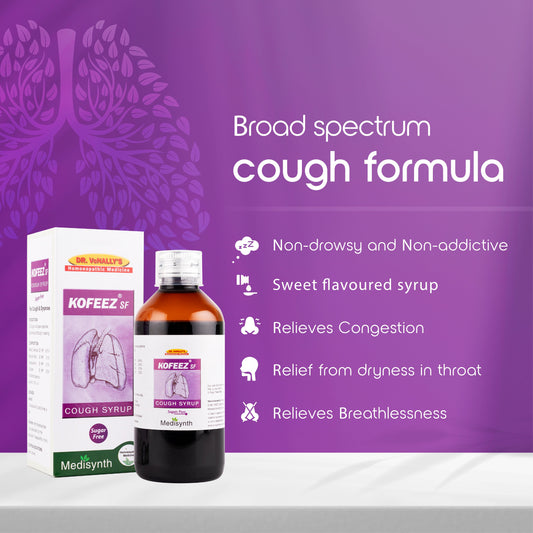
Kofeez Cough Syrup complements the kit by providing homeopathic support for productive cough, bronchitis, throat irritation, breathlessness, and whooping cough. Its sugar-free formulation makes it suitable for individuals looking for a convenient cough syrup option.
Together, these three formulations make the Medisynth Cough & Cold Care Kit a comprehensive option for individuals seeking homeopathic respiratory care during the monsoon season.
Tips to Prevent Cough, Cold & Flu During Monsoon
While seasonal infections cannot always be avoided, adopting a few healthy habits can help reduce the risk of monsoon illnesses and support overall respiratory health.
-
Practice good hand hygiene: Wash your hands regularly with soap and water to reduce the spread of germs.
-
Stay hydrated: Drink plenty of water to support overall health and keep your throat comfortable.
-
Avoid staying in wet clothes: Change into dry clothing promptly after getting drenched in the rain.
-
Eat a balanced diet: Include nutrient-rich foods to help support your immune system.
-
Keep your surroundings well-ventilated: Reduce indoor dampness to minimise mould and allergen exposure.
-
Get enough sleep: Adequate rest helps your immune system function effectively.
-
Seek medical advice when needed: Consult a healthcare professional if symptoms persist, worsen, or are accompanied by high fever or difficulty breathing.
Conclusion
Monsoon brings welcome relief from the heat, but it also creates favourable conditions for the spread of respiratory infections and seasonal allergies.
Understanding the common symptoms of cough, cold, and flu, along with adopting preventive measures, can help reduce the impact of these monsoon illnesses.
For individuals exploring homeopathic medicine for cough and cold, homeopathy offers an individualized approach based on the person's complete symptom picture.
The Medisynth Cough & Cold Care Kit combines three complementary formulations to support nasal symptoms, cough, throat irritation, and overall respiratory wellness, making it a comprehensive option for seasonal respiratory care under professional guidance.
Frequently Asked Questions
1. What is the difference between a common cold and the flu?
A common cold usually causes mild symptoms such as sneezing, a runny nose, and nasal congestion, while the flu often begins suddenly with fever, body aches, fatigue, and a persistent cough.
2. Can homeopathy help with seasonal flu?
Many people explore homeopathy for seasonal flu as part of a holistic approach to respiratory wellness.
3. What are the common viral flu symptoms?
Common viral flu symptoms include fever, cough, sore throat, runny nose, body aches, fatigue, chills, and headache. If symptoms become severe or persistent, seek medical attention.
4. Why are cough and cold more common during monsoon?
Humidity, sudden temperature changes, increased viral transmission, and exposure to damp environments all contribute to the higher incidence of cough, cold, and flu during the monsoon season.
5. What is included in the Medisynth Cough & Cold Care Kit?
The kit includes Nasaltone Oral Drops, Kofgan Forte Drops, and Kofeez Cough Syrup, providing comprehensive homeopathic support for common cough, cold, allergy, and flu-related symptoms.
6. Can children use homeopathic medicines for cough and cold?
Homeopathic medicines for children should only be used under the guidance of a qualified healthcare or homeopathic practitioner, who can recommend the most appropriate treatment based on the child's symptoms.
7. When should I seek medical advice for a cough or flu?
You should seek medical advice if your symptoms persist for several days, are accompanied by high fever, difficulty breathing, chest pain, persistent vomiting, or if you have an underlying medical condition that increases your risk of complications.
References:
-
Common Cold (Homeopathy) – Health Information Library | PeaceHealth
-
Cough (Homeopathy) – Health Information Library | PeaceHealth
- Boericke’s Materia Medica with Repertory
Featured Collection

- MRP: ₹ 112.00 (Incl. of all taxes)
-
₹ - MRP: ₹ 112.00 (Incl. of all taxes)
- Unit price
- per
- MRP: ₹ 112.00 (Incl. of all taxes)
-
₹ - MRP: ₹ 112.00 (Incl. of all taxes)
- Unit price
- per
- MRP: ₹ 170.00 (Incl. of all taxes)
-
₹ - MRP: ₹ 170.00 (Incl. of all taxes)
- Unit price
- per
- MRP: ₹ 170.00 (Incl. of all taxes)
-
₹ - MRP: ₹ 170.00 (Incl. of all taxes)
- Unit price
- per

- MRP: ₹ 180.00 (Incl. of all taxes)
-
₹ - MRP: ₹ 180.00 (Incl. of all taxes)
- Unit price
- per
- MRP: ₹ 180.00 (Incl. of all taxes)
-
₹ - MRP: ₹ 180.00 (Incl. of all taxes)
- Unit price
- per

- MRP: ₹ 180.00 (Incl. of all taxes)
-
₹ - MRP: ₹ 180.00 (Incl. of all taxes)
- Unit price
- per
- MRP: ₹ 180.00 (Incl. of all taxes)
-
₹ - MRP: ₹ 180.00 (Incl. of all taxes)
- Unit price
- per
- MRP: ₹ 180.00 (Incl. of all taxes)
-
₹ - MRP: ₹ 180.00 (Incl. of all taxes)
- Unit price
- per
- MRP: ₹ 180.00 (Incl. of all taxes)
-
₹ - MRP: ₹ 180.00 (Incl. of all taxes)
- Unit price
- per